| 规格 | 价格 | 库存 | 数量 |
|---|---|---|---|
| 50mg |
|
||
| 100mg |
|
||
| 250mg |
|
||
| 500mg |
|
||
| 1g |
|

| 靶点 |
Microbially derived matrix metalloproteinases (MMPs) and zinc peptidase
|
|---|---|
| 体外研究 (In Vitro) |
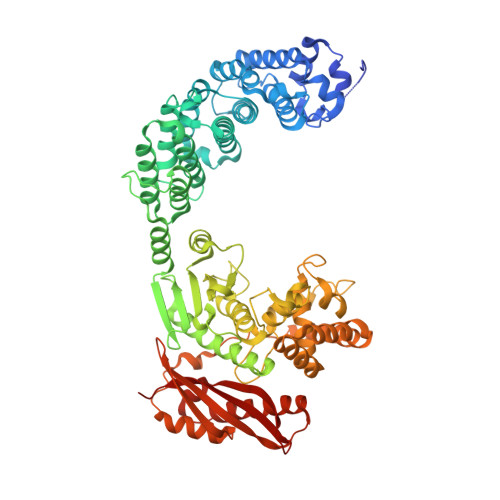
胶原酶被认为在组织修复和再生过程中对细胞迁移和胶原重塑很重要。激活的胶原酶产生特征性的3/4胶原片段
|
| 参考文献 | |
| 其他信息 |
近年来,非侵入性治疗方法在医学领域得到了广泛应用。酶在实验室和制药领域均展现出极低浓度下的高活性,使其在与生物体相关的各种生物学现象中发挥着至关重要的作用,尤其是在人类医学领域。近年来,医学界越来越重视基于非侵入性方法的治疗。研究人员致力于研发能够减少医疗侵入性操作的药物和工具。胶原酶是一类能够催化化学反应并断裂胶原蛋白中肽键的蛋白质。胶原蛋白的生成可能超过所需量,也可能在不适宜的部位生成,或者在一定时间后无法降解。在这种情况下,注射胶原酶或其软膏可能有助于胶原蛋白的降解。体外和体内试验均表明,胶原酶在伤口愈合、烧伤、乳头疼痛以及一些疾病(包括椎间盘突出、瘢痕疙瘩、蜂窝织炎、脂肪瘤等)的治疗中具有多种疗效。本综述描述了胶原酶在医学领域的治疗应用,以及利用新型方法生产胶原酶的工艺,为胶原酶更有效、更安全的应用铺平了道路。[1]
近年来,医学界越来越重视基于非侵入性方法的治疗方法。研究人员致力于研发能够减少医疗实践中侵入性操作的药物和工具。酶具有高度选择性和在极低浓度下即可发挥高特异性的特性,因此在药物研发中具有重要意义。真正的胶原酶能够在各种生理pH值和温度条件下,切割纤维状胶原分子的螺旋区域。然而,已知明胶和胶原分子的非螺旋区域可被多种哺乳动物蛋白酶降解,包括胃蛋白酶、胰蛋白酶、糜蛋白酶、木瓜蛋白酶和其他组织酶。胶原酶的研究始于上世纪末,随后分离出一种胞外酶——梭菌属(Clostridium),之后又鉴定和表征了许多其他细菌和哺乳动物来源的胶原酶。直到最近,人们一直认为细菌产生真正的胶原酶仅限于少数几种细菌,例如梭菌属和其他一些微生物,特别是溶藻弧菌(Vibrio alginolyticus,原名无色杆菌属Achromobacter iophagus)的一个菌株。与动物胶原酶(能够分解天然三螺旋结构的胶原蛋白)不同,细菌胶原酶与脊椎动物胶原酶不同,后者表现出更广泛的底物特异性。就其近期提出的应用而言,胶原酶似乎是一种方便且廉价的药物,有望在不久的将来用于治疗烧伤、促进伤口愈合以及其他一些疾病。然而,由于数据不足和需要进一步研究,目前胶原酶尚未在临床上作为药物生产和使用。本综述使用了所有已发表的、与胶原酶在人类疾病治疗应用相关的文献。本综述以人类疾病和胶原酶为中心,重点强调了胶原酶在治疗以胶原过度沉积为主要问题的特定疾病中的作用。此外,胶原酶可用于分离完整的动物肝实质细胞、脂肪细胞和肾上腺细胞,并在分离后用于细胞培养。总之,本综述描述了胶原酶在医学领域的治疗应用,以及利用新型方法生产胶原酶的工艺,这为胶原酶更有效、更安全的应用铺平了道路。人们希望未来的研究能够开发出利用新来源(例如绿蝇)生产胶原酶的方法和工艺,绿蝇无致病性,对伤口愈合至关重要。[1] |
| CAS号 |
9001-12-1
|
|---|---|
| 外观&性状 |
Off-white to light brown solid
|
| LogP |
21.9
|
| tPSA |
25.8
|
| SMILES |
CCCCCCCC[C@H]1CC[C@@]2([C@@]1(CC[C@]3(C2CC[C@@]4([C@@]3(CC5=C(C4)N=C6C[C@]7([C@@](CCC8[C@@]7(CC[C@]9([C@]8(CC[C@@H]9CCCCCCCC)C)C)C)(CC6=N5)C)C)C)C)C)C)C
|
| InChi Key |
YRQNKMKHABXEJZ-UVQQGXFZSA-N
|
| InChi Code |
InChI=1S/C60H100N2/c1-13-15-17-19-21-23-25-43-27-33-55(7)49-29-31-51(3)39-45-47(41-59(51,11)57(49,9)37-35-53(43,55)5)61-46-40-52(4)32-30-50-56(8)34-28-44(26-24-22-20-18-16-14-2)54(56,6)36-38-58(50,10)60(52,12)42-48(46)62-45/h43-44,49-50H,13-42H2,1-12H3/t43-,44-,49?,50?,51-,52-,53+,54+,55-,56-,57-,58-,59-,60-/m0/s1
|
| 化学名 |
(5S,6S,9R,10S,13S,17S,23S,24S,27R,28S,31S,35S)-5,6,9,13,17,23,24,27,31,35-decamethyl-10,28-dioctyl-2,20-diazanonacyclo[19.15.0.03,19.05,17.06,14.09,13.023,35.024,32.027,31]hexatriaconta-1(21),2,19-triene
|
| HS Tariff Code |
2934.99.9001
|
| 存储方式 |
Powder -20°C 3 years 4°C 2 years In solvent -80°C 6 months -20°C 1 month |
| 运输条件 |
Room temperature (This product is stable at ambient temperature for a few days during ordinary shipping and time spent in Customs)
|
| 溶解度 (体外实验) |
H2O : ~50 mg/mL
|
|---|---|
| 溶解度 (体内实验) |
注意: 如下所列的是一些常用的体内动物实验溶解配方,主要用于溶解难溶或不溶于水的产品(水溶度<1 mg/mL)。 建议您先取少量样品进行尝试,如该配方可行,再根据实验需求增加样品量。
注射用配方
注射用配方1: DMSO : Tween 80: Saline = 10 : 5 : 85 (如: 100 μL DMSO → 50 μL Tween 80 → 850 μL Saline)(IP/IV/IM/SC等) *生理盐水/Saline的制备:将0.9g氯化钠/NaCl溶解在100 mL ddH ₂ O中,得到澄清溶液。 注射用配方 2: DMSO : PEG300 :Tween 80 : Saline = 10 : 40 : 5 : 45 (如: 100 μL DMSO → 400 μL PEG300 → 50 μL Tween 80 → 450 μL Saline) 注射用配方 3: DMSO : Corn oil = 10 : 90 (如: 100 μL DMSO → 900 μL Corn oil) 示例: 以注射用配方 3 (DMSO : Corn oil = 10 : 90) 为例说明, 如果要配制 1 mL 2.5 mg/mL的工作液, 您可以取 100 μL 25 mg/mL 澄清的 DMSO 储备液,加到 900 μL Corn oil/玉米油中, 混合均匀。 View More
注射用配方 4: DMSO : 20% SBE-β-CD in Saline = 10 : 90 [如:100 μL DMSO → 900 μL (20% SBE-β-CD in Saline)] 口服配方
口服配方 1: 悬浮于0.5% CMC Na (羧甲基纤维素钠) 口服配方 2: 悬浮于0.5% Carboxymethyl cellulose (羧甲基纤维素) 示例: 以口服配方 1 (悬浮于 0.5% CMC Na)为例说明, 如果要配制 100 mL 2.5 mg/mL 的工作液, 您可以先取0.5g CMC Na并将其溶解于100mL ddH2O中,得到0.5%CMC-Na澄清溶液;然后将250 mg待测化合物加到100 mL前述 0.5%CMC Na溶液中,得到悬浮液。 View More
口服配方 3: 溶解于 PEG400 (聚乙二醇400) 请根据您的实验动物和给药方式选择适当的溶解配方/方案: 1、请先配制澄清的储备液(如:用DMSO配置50 或 100 mg/mL母液(储备液)); 2、取适量母液,按从左到右的顺序依次添加助溶剂,澄清后再加入下一助溶剂。以 下列配方为例说明 (注意此配方只用于说明,并不一定代表此产品 的实际溶解配方): 10% DMSO → 40% PEG300 → 5% Tween-80 → 45% ddH2O (或 saline); 假设最终工作液的体积为 1 mL, 浓度为5 mg/mL: 取 100 μL 50 mg/mL 的澄清 DMSO 储备液加到 400 μL PEG300 中,混合均匀/澄清;向上述体系中加入50 μL Tween-80,混合均匀/澄清;然后继续加入450 μL ddH2O (或 saline)定容至 1 mL; 3、溶剂前显示的百分比是指该溶剂在最终溶液/工作液中的体积所占比例; 4、 如产品在配制过程中出现沉淀/析出,可通过加热(≤50℃)或超声的方式助溶; 5、为保证最佳实验结果,工作液请现配现用! 6、如不确定怎么将母液配置成体内动物实验的工作液,请查看说明书或联系我们; 7、 以上所有助溶剂都可在 Invivochem.cn网站购买。 |
计算结果:
工作液浓度: mg/mL;
DMSO母液配制方法: mg 药物溶于 μL DMSO溶液(母液浓度 mg/mL)。如该浓度超过该批次药物DMSO溶解度,请首先与我们联系。
体内配方配制方法:取 μL DMSO母液,加入 μL PEG300,混匀澄清后加入μL Tween 80,混匀澄清后加入 μL ddH2O,混匀澄清。
(1) 请确保溶液澄清之后,再加入下一种溶剂 (助溶剂) 。可利用涡旋、超声或水浴加热等方法助溶;
(2) 一定要按顺序加入溶剂 (助溶剂) 。
InvivoChem的所有产品仅用于作科学研究,不面向患者销售
Copyright 2020 InvivoChem LLC | All Rights Reserved 粤ICP备20063088号-1


 粤公网安备 44011102003439号
 463611831
