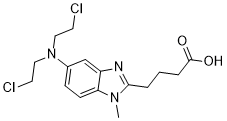
Bendamustine (SDX-105)

别名: Bendamustine free base; SDX 105; SDX-105; SDX105; Bendamustina; DD6304600; Bendamustinum; Ribomustin. Brand name: Treanda; 宾达氮芥; 苯达莫司汀; 4-[5-[双(2-氯乙基)氨基]-1-甲基苯并咪唑-2-基]丁酸; 苯达莫司汀标准品; 宾达氮芥,苯达莫司汀; 盐酸苯达莫司汀
目录号: V7107 纯度: ≥98%
Bendamustine(SDX-105 游离碱)是一种嘌呤类似物,是一种 DNA 交联剂。
Bendamustine (SDX-105) CAS号: 16506-27-7
产品类别: New1
产品仅用于科学研究,不针对患者销售
规格 价格 库存 数量
1mg
5mg
10mg
50mg
100mg
250mg
Other Sizes

Other Forms of Bendamustine (SDX-105):

  • 盐酸苯达莫司汀
  • Bendamustine-d4 (SDX-105-d4 (free base))
  • Bendamustine-d8 (SDX-105-d8 free base)
  • Desmethyl Bendamustine-d8 HCl
  • Dihydroxy Bendamustine-d8
点击了解更多
InvivoChem产品被CNS等顶刊论文引用
产品描述
Bendamustine(SDX-105 游离碱)是一种嘌呤类似物,是一种 DNA 交联剂。 Bendamustine 激活 DNA 损伤反应和细胞凋亡。苯达莫司汀具有有效的烷化、抗癌和抗代谢作用。
生物活性&实验参考方法
体外研究 (In Vitro)
苯达莫司汀是一种 DNA 交联剂,可导致抗辅助功能、烷基化和 DNA 片段化。苯达莫司汀特别影响非霍奇金细胞移植和 DNA 修复途径。在 SU-DHL-1 细胞中,苯达莫司汀 (50 μM) 可增强 p53 表达并促进 NOXA 和 p21 (Cip1/Waf1) 基因。苯达莫司汀 (25 μM) 会破坏有丝分裂检查点,导致有丝分裂期间增生 [1]。多发性骨髓瘤 (MM) 细胞系(例如 RPMI-8226 和 8226-LR5)在接触苯达莫司汀时细胞活力较低; 24小时后,这些细胞系的IC25值分别为101.8μM和585.5μM,48小时后分别为51.7和374.3μM。 ..Bendamustine 抑制纺锤体形成检查点并导致 caspase 触发的 MM 细胞死亡 [2]。
体内研究 (In Vivo)
DoHH-2、Granta 519 和 RAMOS 模型显示苯达莫司汀(25 mg/kg,IV)对肿瘤细胞增殖的抑制率为 91%、99% 和 95%。此外,利妥昔单抗在 DoHH-2 和 RAMOS 模型中改善了苯达莫司汀的抗癌作用,但在 Granta 519 模型中没有改善 [3]。
药代性质 (ADME/PK)
Absorption, Distribution and Excretion
Following a single IV dose of bendamustine hydrochloride Cmax typically occurred at the end of infusion. The dose proportionality of bendamustine has not been studied.
Mean recovery of total radioactivity in cancer patients following IV infusion of [14C] bendamustine hydrochloride was approximately 76% of the dose. Approximately 50% of the dose was recovered in the urine and approximately 25% of the dose was recovered in the feces. Urinary excretion was confirmed as a relatively minor pathway of elimination of bendamustine, with approximately 3.3% of the dose recovered in the urine as parent. Less than 1% of the dose was recovered in the urine as M3 and M4, and less than 5% of the dose was recovered in the urine as HP2.
The mean steady-state volume of distribution (Vss) of bendamustine was approximately 20-25 L. Steady-state volume of distribution for total radioactivity was approximately 50 L, indicating that neither bendamustine nor total radioactivity are extensively distributed into the tissues.
700 mL/min
... Preclinical radiolabeled bendamustine studies showed that approximately 90% of drug administered was recovered in excreta primarily in the feces. Bendamustine clearance in humans is approximately 700 mL/minute. After a single dose of 120 mg/sq m bendamustine IV over 1-hour the intermediate half life of the parent compound is approximately 40 minutes. The mean apparent terminal elimination half life of M3 and M4 are approximately 3 hours and 30 minutes respectively. Little or no accumulation in plasma is expected for bendamustine administered on Days 1 and 2 of a 28-day cycle.
In vitro, the binding of bendamustine to human serum plasma proteins ranged from 94-96% and was concentration independent from 1-50 ug/mL. Data suggest that bendamustine is not likely to displace or to be displaced by highly protein-bound drugs. The blood to plasma concentration ratios in human blood ranged from 0.84 to 0.86 over a concentration range of 10 to 100 ug/mL indicating that bendamustine distributes freely in human red blood cells. In humans, the mean steady state volume of distribution (Vss) was approximately 25 L.
Metabolism / Metabolites
In vitro data indicate that bendamustine is primarily metabolized via hydrolysis to monohydroxy (HP1) and dihydroxy-bendamustine (HP2) metabolites with low cytotoxic activity. Two active minor metabolites, M3 and M4, are primarily formed via CYP1A2. However, concentrations of these metabolites in plasma are 1/10th and 1/100th that of the parent compound, respectively, suggesting that the cytotoxic activity is primarily due to bendamustine. Results of a human mass balance study confirm that bendamustine is extensively metabolized via hydrolytic, oxidative, and conjugative pathways.
... The detection of mercapturic acid pathway metabolites of bendamustine, namely, cysteine S-conjugates in human bile, which are supposed to subsequently undergo further metabolism /was recently reported/.. In this study, ... the identification and quantitation of consecutive bendamustine metabolites occurring in human bile using authentic reference standards and the synthesis and structural confirmation of these compounds /is described/. Mass spectrometry data along with high-performance liquid chromatography retention data (fluorescence detection) of the synthetic reference standards were consistent with those of the metabolites found in human bile after administration of bendamustine hydrochloride to cancer patients. Analysis of the purified synthetic reference compounds showed a purity of at least 95%. Structural confirmation was achieved by one- and two-dimensional proton as well as carbon-13 NMR spectroscopy and mass spectrometry. A total of 16 bendamustine-related compounds were detected in the bile of patients, 11 of them were recovered as conjugates. Eight conjugates have been structurally confirmed as novel mercapturic acids and sulfoxides. Biliary excretion of the sulfoxides was twice that of the mercapturate precursors. Glutathione S-conjugates of bendamustine have not been detected in bile samples, indicating rapid enzymatic cleavage in humans. Both the lack of glutathione (GSH) conjugates and occurrence of diastereomeric sulfoxides emphasize species-related differences in the GSH conjugation of bendamustine between humans and rats. The total amount recovered in the bile as the sum of all conjugates over the period of 24 hr after dosing averaged 5.2% of the administered dose.
In vitro data indicate that bendamustine is primarily metabolized via hydrolysis to metabolites with low cytotoxic activity. In vitro, studies indicate that two active minor metabolites, M3 and M4, are primarily formed via CYP1A2. However, concentrations of these metabolites in plasma are 1/10 and 1/100 that of the parent compound, respectively, suggesting that the cytotoxic activity is primarily due to bendamustine. In vitro studies using human liver microsomes indicate that bendamustine does not inhibit CYP1A2, 2C9/10, 2D6, 2E1, or 3A4/5. Bendamustine did not induce metabolism of CYP1A2, CYP2A6, CYP2B6, CYP2C8, CYP2C9, CYP2C19, CYP2E1, or CYP3A4/5 enzymes in primary cultures of human hepatocytes.
Biological Half-Life
40 minutes
After a single dose of 120 mg/sq m bendamustine IV over 1-hour the intermediate half life of the parent compound is approximately 40 minutes.
毒性/毒理 (Toxicokinetics/TK)
Hepatotoxicity
Mild and transient elevations in serum aminotransferase levels are found in up to 20% of patients treated with bendamustine, but elevations above 5 times the upper limit of normal occur in less than 3% of patients. The abnormalities are generally transient, unaccompanied by symptoms and rarely require dose modification. Clinically apparent liver injury from bendamustine has been limited to a small number of cases of mild hepatitis with features of hypersensitivity including eosinophilia, rash or other systemic symptoms. Autoantibody formation is uncommon. The course is generally self-limited, but may require corticosteroid therapy for control of symptoms and timely recovery.
Bendamustine therapy has also been implicated in causing reactivation of hepatitis B in patients with anti-HBc in serum with or without HBsAg. In several instances patients were also receiving corticosteroids or rituximab, yet had received these without reactivation in the past. Reactivation arose after 2 to 6 cycles of bendamustine chemotherapy, presenting with symptoms accompanied by HBsAg and rising levels of HBV DNA in serum. Reactivation was generally self-limited and patients later became HBsAg negative. In one instance, however, the course was severe and resulted in death from acute liver failure.
Likelihood score: C (probable cause of clinically apparent liver injury, some of which is due to reactivation of hepatitis B).
Effects During Pregnancy and Lactation
◉ Summary of Use during Lactation
No information is available on the use of bendamustine during breastfeeding. Most sources consider breastfeeding to be contraindicated during maternal antineoplastic drug therapy, especially alkylating agents such as bendamustine. Based on the half-life of the drug and its metabolites, the drug should be eliminated from the milk by 24 to 48 hours after the last dose. The manufacturer recommends that breastfeeding be discontinued during bendamustine therapy and for at least 1 week after the last dose.
◉ Effects in Breastfed Infants
Relevant published information was not found as of the revision date.
◉ Effects on Lactation and Breastmilk
Some evidence indicates that the closely related drug carmustine can increase serum prolactin.
Protein Binding
In vitro, the binding of bendamustine to human serum plasma proteins ranged from 94-96% and data suggest that bendamustine is not likely to displace or to be displaced by highly protein-bound drugs.
Non-Human Toxicity Values
LD50 Rat oral 200-300 mg/kg /Bendamustine hydrochloride/[The Merck Index, Fourteenth Edition (2006)
LD50 Rat iv 40 mg/kg /Bendamustine hydrochloride/[The Merck Index, Fourteenth Edition (2006)
LD50 Mouse oral 400-500 mg/kg /Bendamustine hydrochloride/[The Merck Index, Fourteenth Edition (2006)
LD50 Mouse iv 80 mg/kg /Bendamustine hydrochloride/[The Merck Index, Fourteenth Edition (2006)
参考文献

[1]. Bendamustine (Treanda) displays a distinct pattern of cytotoxicity and unique mechanistic features compared with other alkylating agents. Clin Cancer Res. 2008 Jan 1;14(1):309-17.

[2]. Bendamustine overcomes resistance to melphalan in myeloma cell lines by inducing cell death through mitotic catastrophe. Cell Signal. 2013 May;25(5):1108-17.

[3]. Navitoclax (ABT-263) and bendamustine ± rituximab induce enhanced killing of non-Hodgkin's lymphoma tumours in vivo. Br J Pharmacol. 2012 Oct;167(4):881-91.

其他信息
Therapeutic Uses
Antineoplastic /Bendamustine hydrochloride/[The Merck Index, Fourteenth Edition (2006)
Bendamustine hydrochloride is used for the treatment of chronic lymphocytic leukemia (CLL) and is designated an orphan drug by the US Food and Drug Administration (FDA) for use in this condition. /Included in US product label/
Bendamustine administered as monotherapy is active in rituximab-refractory indolent non-Hodgkin's lymphoma, predominantly in patients with nontransformed or with sensitive disease characteristics. Therefore, bendamustine may be considered a reasonable choice for rituximab-refractory, indolent non-Hodgkin's lymphoma; bendamustine may also may be considered an alternative in patients who are not candidates for radioimmunotherapy due to either patient selection (i.e., a clinical contraindication) or accessibility issues. /Included in US product label/
Treanda for Injection is an alkylating drug indicated for treatment of patients with: Chronic lymphocytic leukemia (CLL). Efficacy relative to first line therapies other than chlorambucil has not been established. Indolent B-cell non-Hodgkin's lymphoma (NHL) that has progressed during or within six months of treatment with rituximab or a rituximab-containing regimen. /Included in US product label/
For more Therapeutic Uses (Complete) data for Bendamustine (8 total), please visit the HSDB record page.
Drug Warnings
Infections, including pneumonia and sepsis, have been reported in patients receiving bendamustine and have been associated with hospitalization, septic shock, and death. Patients with myelosuppression have increased susceptibility to infection and should be advised to contact their clinician if signs or symptoms of infection occur.
In the phase 3 study in patients with chronic lymphocytic leukemia, grade 3 or 4 neutropenia occurred in 24% and febrile neutropenia occurred in 3% of patients receiving bendamustine; red blood cell or platelet transfusions were administered to 20 or less than 1%, respectively, of patients receiving the drug. Leukocytes, platelets, hemoglobin, and neutrophils should be monitored closely in patients with bendamustine-related myelosuppression. In the phase 3 study of bendamustine in chronic lymphocytic leukemia, hemoglobin concentrations and leukocyte and differential counts were monitored weekly and platelet counts were monitored each cycle. Data from this study indicate that blood counts may be expected to reach a nadir during the third week of the treatment cycle; dose delays may be required if recovery to recommended values has not occurred by day 28. Prior to initiation of the next cycle of therapy, the absolute neutrophil count (ANC) should be at least 1000/cu mm and the platelet count at least 75,000/ cu mm.
Tumor lysis syndrome has been reported in patients receiving bendamustine in clinical trials and during postmarketing surveillance. The onset generally occurs during the first cycle of bendamustine therapy; without appropriate intervention, acute renal failure and death may occur. Appropriate measures (e.g., adequate hydration; close monitoring of blood chemistries, particularly potassium and uric acid concentrations; use of allopurinol during the first 1-2 weeks of bendamustine therapy) should be used in patients at high risk for tumor lysis syndrome.
Infusion reactions, including fever, chills, pruritus, and rash, occur commonly in patients receiving bendamustine. Severe anaphylactic and anaphylactoid reactions have occurred rarely, mainly in the second and subsequent cycles of therapy. Patients should be monitored clinically, and bendamustine should be discontinued if a severe reaction occurs. Patients should be asked about symptoms suggestive of infusion reactions after their first cycle of therapy. A premedication regimen (e.g., antihistamine, antipyretic, and corticosteroid) should be considered during subsequent treatment cycles in patients who experience grade 1 or 2 infusion reactions. Discontinuance of bendamustine therapy should be considered in patients who experience grade 3 or 4 infusion reactions. Patients who experienced grade 3 or worse allergic-type reactions typically were not rechallenged with the drug in the phase 3 study of bendamustine in chronic lymphocytic leukemia.
For more Drug Warnings (Complete) data for Bendamustine (15 total), please visit the HSDB record page.
Pharmacodynamics
No mean changes in QTc interval greater than 20 milliseconds were detected up to one hour post-infusion.
*注: 文献方法仅供参考, InvivoChem并未独立验证这些方法的准确性
化学信息 & 存储运输条件
分子式
C16H21N3O2CL2
分子量
358.26284
精确质量
357.101
CAS号
16506-27-7
相关CAS号
Bendamustine hydrochloride;3543-75-7;Bendamustine-d4;Bendamustine-d8;1134803-33-0
PubChem CID
65628
外观&性状
White to off-white solid powder
密度
1.3±0.1 g/cm3
沸点
585.2±50.0 °C at 760 mmHg
闪点
307.7±30.1 °C
蒸汽压
0.0±1.7 mmHg at 25°C
折射率
1.599
LogP
2.9
tPSA
58.4
氢键供体(HBD)数目
1
氢键受体(HBA)数目
4
可旋转键数目(RBC)
9
重原子数目
23
分子复杂度/Complexity
380
定义原子立体中心数目
0
SMILES
CN1C2=C(C=C(C=C2)N(CCCl)CCCl)N=C1CCCC(=O)O
InChi Key
YTKUWDBFDASYHO-UHFFFAOYSA-N
InChi Code
InChI=1S/C16H21Cl2N3O2/c1-20-14-6-5-12(21(9-7-17)10-8-18)11-13(14)19-15(20)3-2-4-16(22)23/h5-6,11H,2-4,7-10H2,1H3,(H,22,23)
化学名
4-[5-[bis(2-chloroethyl)amino]-1-methylbenzimidazol-2-yl]butanoic acid
别名
Bendamustine free base; SDX 105; SDX-105; SDX105; Bendamustina; DD6304600; Bendamustinum; Ribomustin. Brand name: Treanda;
HS Tariff Code
2934.99.9001
存储方式

Powder      -20°C    3 years

                     4°C     2 years

In solvent   -80°C    6 months

                  -20°C    1 month

注意: 本产品在运输和储存过程中需避光。
运输条件
Room temperature (This product is stable at ambient temperature for a few days during ordinary shipping and time spent in Customs)
溶解度数据
溶解度 (体外实验)
DMSO : ~100 mg/mL (~279.13 mM)
溶解度 (体内实验)
配方 1 中的溶解度: ≥ 2.5 mg/mL (6.98 mM) (饱和度未知) in 10% DMSO + 40% PEG300 + 5% Tween80 + 45% Saline (这些助溶剂从左到右依次添加,逐一添加), 澄清溶液。
例如,若需制备1 mL的工作液,可将100 μL 25.0 mg/mL澄清DMSO储备液加入到400 μL PEG300中,混匀;然后向上述溶液中加入50 μL Tween-80,混匀;加入450 μL生理盐水定容至1 mL。
*生理盐水的制备:将 0.9 g 氯化钠溶解在 100 mL ddH₂O中,得到澄清溶液。

配方 2 中的溶解度: ≥ 2.5 mg/mL (6.98 mM) (饱和度未知) in 10% DMSO + 90% (20% SBE-β-CD in Saline) (这些助溶剂从左到右依次添加,逐一添加), 澄清溶液。
例如,若需制备1 mL的工作液,可将 100 μL 25.0 mg/mL澄清DMSO储备液加入900 μL 20% SBE-β-CD生理盐水溶液中,混匀。
*20% SBE-β-CD 生理盐水溶液的制备(4°C,1 周):将 2 g SBE-β-CD 溶解于 10 mL 生理盐水中,得到澄清溶液。

View More

配方 3 中的溶解度: ≥ 2.5 mg/mL (6.98 mM) (饱和度未知) in 10% DMSO + 90% Corn Oil (这些助溶剂从左到右依次添加,逐一添加), 澄清溶液。
例如,若需制备1 mL的工作液,可将 100 μL 25.0 mg/mL 澄清 DMSO 储备液加入到 900 μL 玉米油中并混合均匀。


请根据您的实验动物和给药方式选择适当的溶解配方/方案:
1、请先配制澄清的储备液(如:用DMSO配置50 或 100 mg/mL母液(储备液));
2、取适量母液,按从左到右的顺序依次添加助溶剂,澄清后再加入下一助溶剂。以 下列配方为例说明 (注意此配方只用于说明,并不一定代表此产品 的实际溶解配方):
10% DMSO → 40% PEG300 → 5% Tween-80 → 45% ddH2O (或 saline);
假设最终工作液的体积为 1 mL, 浓度为5 mg/mL: 取 100 μL 50 mg/mL 的澄清 DMSO 储备液加到 400 μL PEG300 中,混合均匀/澄清;向上述体系中加入50 μL Tween-80,混合均匀/澄清;然后继续加入450 μL ddH2O (或 saline)定容至 1 mL;

3、溶剂前显示的百分比是指该溶剂在最终溶液/工作液中的体积所占比例;
4、 如产品在配制过程中出现沉淀/析出,可通过加热(≤50℃)或超声的方式助溶;
5、为保证最佳实验结果,工作液请现配现用!
6、如不确定怎么将母液配置成体内动物实验的工作液,请查看说明书或联系我们;
7、 以上所有助溶剂都可在 Invivochem.cn网站购买。
制备储备液 1 mg 5 mg 10 mg
1 mM 2.7913 mL 13.9563 mL 27.9127 mL
5 mM 0.5583 mL 2.7913 mL 5.5825 mL
10 mM 0.2791 mL 1.3956 mL 2.7913 mL

1、根据实验需要选择合适的溶剂配制储备液 (母液):对于大多数产品,InvivoChem推荐用DMSO配置母液 (比如:5、10、20mM或者10、20、50 mg/mL浓度),个别水溶性高的产品可直接溶于水。产品在DMSO 、水或其他溶剂中的具体溶解度详见上”溶解度 (体外)”部分;

2、如果您找不到您想要的溶解度信息,或者很难将产品溶解在溶液中,请联系我们;

3、建议使用下列计算器进行相关计算(摩尔浓度计算器、稀释计算器、分子量计算器、重组计算器等);

4、母液配好之后,将其分装到常规用量,并储存在-20°C或-80°C,尽量减少反复冻融循环。

计算器

摩尔浓度计算器可计算特定溶液所需的质量、体积/浓度,具体如下:

  • 计算制备已知体积和浓度的溶液所需的化合物的质量
  • 计算将已知质量的化合物溶解到所需浓度所需的溶液体积
  • 计算特定体积中已知质量的化合物产生的溶液的浓度
使用摩尔浓度计算器计算摩尔浓度的示例如下所示:
假如化合物的分子量为350.26 g/mol,在5mL DMSO中制备10mM储备液所需的化合物的质量是多少?
  • 在分子量(MW)框中输入350.26
  • 在“浓度”框中输入10,然后选择正确的单位(mM)
  • 在“体积”框中输入5,然后选择正确的单位(mL)
  • 单击“计算”按钮
  • 答案17.513 mg出现在“质量”框中。以类似的方式,您可以计算体积和浓度。

稀释计算器可计算如何稀释已知浓度的储备液。例如,可以输入C1、C2和V2来计算V1,具体如下:

制备25毫升25μM溶液需要多少体积的10 mM储备溶液?
使用方程式C1V1=C2V2,其中C1=10mM,C2=25μM,V2=25 ml,V1未知:
  • 在C1框中输入10,然后选择正确的单位(mM)
  • 在C2框中输入25,然后选择正确的单位(μM)
  • 在V2框中输入25,然后选择正确的单位(mL)
  • 单击“计算”按钮
  • 答案62.5μL(0.1 ml)出现在V1框中
g/mol

分子量计算器可计算化合物的分子量 (摩尔质量)和元素组成,具体如下:

注:化学分子式大小写敏感:C12H18N3O4  c12h18n3o4
计算化合物摩尔质量(分子量)的说明:
  • 要计算化合物的分子量 (摩尔质量),请输入化学/分子式,然后单击“计算”按钮。
分子质量、分子量、摩尔质量和摩尔量的定义:
  • 分子质量(或分子量)是一种物质的一个分子的质量,用统一的原子质量单位(u)表示。(1u等于碳-12中一个原子质量的1/12)
  • 摩尔质量(摩尔重量)是一摩尔物质的质量,以g/mol表示。
/

配液计算器可计算将特定质量的产品配成特定浓度所需的溶剂体积 (配液体积)

  • 输入试剂的质量、所需的配液浓度以及正确的单位
  • 单击“计算”按钮
  • 答案显示在体积框中
动物体内实验配方计算器(澄清溶液)
第一步:请输入基本实验信息(考虑到实验过程中的损耗,建议多配一只动物的药量)
第二步:请输入动物体内配方组成(配方适用于不溶/难溶于水的化合物),不同的产品和批次配方组成不同,如对配方有疑问,可先联系我们提供正确的体内实验配方。此外,请注意这只是一个配方计算器,而不是特定产品的确切配方。
+
+
+

计算结果:

工作液浓度 mg/mL;

DMSO母液配制方法 mg 药物溶于 μL DMSO溶液(母液浓度 mg/mL)。如该浓度超过该批次药物DMSO溶解度,请首先与我们联系。

体内配方配制方法μL DMSO母液,加入 μL PEG300,混匀澄清后加入μL Tween 80,混匀澄清后加入 μL ddH2O,混匀澄清。

(1) 请确保溶液澄清之后,再加入下一种溶剂 (助溶剂) 。可利用涡旋、超声或水浴加热等方法助溶;
            (2) 一定要按顺序加入溶剂 (助溶剂) 。

临床试验信息
A Study of Nemtabrutinib vs Chemoimmunotherapy for Participants With Previously Untreated Chronic Lymphocytic Leukemia/Small Lymphocytic Lymphoma (CLL/SLL) Without TP53 Aberrations (MK-1026-008, BELLWAVE-008)
CTID: NCT05624554
Phase: Phase 3    Status: Recruiting
Date: 2024-12-02
A Study of BR Alone Versus in Combination With Acalabrutinib in Subjects With Previously Untreated MCL
CTID: NCT02972840
Phase: Phase 3    Status: Active, not recruiting
Date: 2024-11-29
A Study of Acalabrutinib vs Investigator's Choice of Idelalisib Plus Rituximab or Bendamustine Plus Rituximab in R/R CLL
CTID: NCT02970318
Phase: Phase 3    Status: Active, not recruiting
Date: 2024-11-27
A Trial to Learn if Odronextamab is Safe and Well-Tolerated and How Well it Works Compared to Rituximab Combined With Different Types of Chemotherapy for Participants With Follicular Lymphoma
CTID: NCT06091254
Phase: Phase 3    Status: Recruiting
Date: 2024-11-27
Study of Axicabtagene Ciloleucel Versus Standard of Care Therapy in Participants With Relapsed/Refractory Follicular Lymphoma
CTID: NCT05371093
Phase: Phase 3    Status: Recruiting
Date: 2024-11-22
View More

A Study of Zilovertamab Vedotin (MK-2140) in Combination With Standard of Care in Participants With Relapsed or Refractory Diffuse Large B-Cell Lymphoma (rrDLBCL) (MK-2140-003)
CTID: NCT05139017
Phase: Phase 2/Phase 3    Status: Recruiting
Date: 2024-11-21


A Study of Duvelisib Versus Gemcitabine or Bendamustine in Participants With Relapsed/Refractory Nodal T Cell Lymphoma With T Follicular Helper (TFH) Phenotype
CTID: NCT06522737
Phase: Phase 3    Status: Not yet recruiting
Date: 2024-11-20
A Study of Coformulated Favezelimab/Pembrolizumab (MK-4280A) Versus Physician's Choice Chemotherapy in PD-(L)1-refractory, Relapsed or Refractory Classical Hodgkin Lymphoma (MK-4280A-008)
CTID: NCT05508867
Phase: Phase 3    Status: Recruiting
Date: 2024-11-20
A Study to Evaluate the Efficacy and Safety of Golcadomide in Combination With Rituximab in Participants With Newly Diagnosed Advanced Stage Follicular Lymphoma
CTID: NCT06425302
Phase: Phase 2    Status: Recruiting
Date: 2024-11-19
Bendamustine With or Without Cyclophosphamide in Preventing GVHD in Patients Undergoing Stem Cell Transplant
CTID: NCT04022239
Phase: Phase 1/Phase 2    Status: Recruiting
Date: 2024-11-14
Haploidentical Stem Cell Transplant with Prophylactic Natural Killer DLI for Lymphoma, Multiple Myeloma, and CLL
CTID: NCT03524235
Phase: Phase 1    Status: Completed
Date: 2024-11-12
A Study to Evaluate Glofitamab as a Single Agent vs. Investigator's Choice in Participants With Relapsed/Refractory Mantle Cell Lymphoma
CTID: NCT06084936
Phase: Phase 3    Status: Recruiting
Date: 2024-11-08
Autologous CD8+ and CD4+ Transgenic T Cells Expressing High Affinity KRASG12V Mutation-Specific T Cell Receptors (FH-A11KRASG12V-TCR) in Treating Patients With Metastatic Pancreatic, Colorectal and Non-Small Cell Lung Cancers With KRAS G12V Mutations
CTID: NCT06043713
Phase: Phase 1    Status: Recruiting
Date: 2024-11-07
Study of Subcutaneous Epcoritamab in Combination With Intravenous Rituximab and Oral Lenalidomide (R2) to Assess Adverse Events and Change in Disease Activity in Adult Participants With Previously Untreated Follicular Lymphoma
CTID: NCT06191744
Phase: Phase 3    Status: Recruiting
Date: 2024-11-05
Phase 3 Study of Zandelisib (ME-401) in Combination With Rituximab in Patients With iNHL - (COASTAL)
CTID: NCT04745832
Phase: Phase 3    Status: Terminated
Date: 2024-11-04
Inotuzumab Ozogamicin and Chemotherapy in Treating Patients With Leukemia or Lymphoma Undergoing Stem Cell Transplantation
CTID: NCT03856216
Phase: Phase 2    Status: Recruiting
Date: 2024-10-29
Study of LOXO-305 Versus Investigator's Choice (IdelaR or BR) in Patients With Previously Treated Chronic Lymphocytic Leukemia (CLL)/Small Lymphocytic Lymphoma (SLL)
CTID: NCT04666038
Phase: Phase 3    Status: Active, not recruiting
Date: 2024-10-29
Study Comparing Zanubrutinib + Rituximab Versus Bendamustine + Rituximab in Participants With Untreated Mantle Cell Lymphoma
CTID: NCT04002297
Phase: Phase 3    Status: Active, not recruiting
Date: 2024-10-29
Mesothelin-Specific T-Cells (FH-TCR-Tᴍsʟɴ) for the Treatment of Metastatic Pancreatic Ductal Adenocarcinoma
CTID: NCT04809766
Phase: Phase 1    Status: Active, not recruiting
Date: 2024-10-28
Study of CAR-T Cells Expressing CD30 and CCR4 for r/r CD30+ HL and CTCL
CTID: NCT03602157
Phase: Phase 1    Status: Recruiting
Date: 2024-10-26
CD30 CAR for Relapsed/Refractory CD30+ T Cell Lymphoma
CTID: NCT04083495
Phase: Phase 2    Status: Recruiting
Date: 2024-10-24
Bendamustine + Obinutuzumab Induction With Obinutuzumab Maintenance in Untreated Mantle Cell Lymphoma
CTID: NCT03311126
Phase: Phase 2    Status: Terminated
Date: 2024-10-24
Anti-CD19 CAR-T Cells With Inducible Caspase 9 Safety Switch for B-cell Lymphoma
CTID: NCT03696784
Phase: Phase 1    Status: Recruiting
Date: 2024-10-24
Study of Kappa Chimeric Antigen Receptor (CAR) T Lymphocytes Co-Expressing the Kappa and CD28 CARs for Relapsed/Refractory Kappa+ Non-Hodgkin Lymphoma and Chronic Lymphocytic Leukemia/Small Lymphocytic Lymphoma.
CTID: NCT04223765
Phase: Phase 1    Status: Recruiting
Date: 2024-10-24
A Study of Tazemetostat With Rituximab and Abbreviated Bendamustine in the Frontline Treatment of High Tumor Burden Follicular Lymphoma
CTID: NCT05551936
Phase: Phase 1/Phase 2    Status: Recruiting
Date: 2024-10-21
MUC1-Activated T Cells for the Treatment of Relapsed and Resistant Ovarian Cancer
CTID: NCT06483048
Phase: Phase 1    Status: Recruiting
Date: 2024-10-18
Autologous T Cells Lentivirally Transduced to Express L1CAM-Specific Chimeric Antigen Receptors in Treating Patients With Locally Advanced and Unresectable or Metastatic Small Cell Neuroendocrine Prostate Cancer
CTID: NCT06094842
Phase: Phase 1    Status: Not yet recruiting
Date: 2024-10-17
A Study to Compare the Efficacy and Safety of a Combined Regimen of Venetoclax and Obinutuzumab Versus Fludarabine, Cyclophosphamide, and Rituximab (FCR)/ Bendamustine And Rituximab (BR) in FIT Patients With Previously Untreated Chronic Lymphocytic Leukemia (CLL) Without DEL (17P) or TP53 Mutation
CTID: NCT04285567
Phase: Phase 3    Status: Active, not recruiting
Date: 2024-10-16
Study of Mosunetuzumab Plus Lenalidomide Compared to Anti-CD20 Anti-body + Chemotherapy in Follicular Lymphoma FLIPI2-5
CTID: NCT06284122
Phase: Phase 3    Status: Recruiting
Date: 2024-10-15
CD19-Directed CAR-T Cell Therapy for the Treatment of Relapsed/Refractory B Cell Malignancies
CTID: NCT04892277
Phase: Phase 1    Status: Recruiting
Date: 2024-10-15
MRD Guided De-intensification of Bendamustine/Rituximab for Indolent Non-Hodgkin Lymphoma
CTID: NCT06557330
Phase: Phase 2    Status: Not yet recruiting
Date: 2024-10-10
Efficacy and Safety of Oral Azacitidine Compared to Investigator's Choice Therapy in Patients With Relapsed or Refractory AITL
CTID: NCT03593018
Phase: Phase 3    Status: Active, not recruiting
Date: 2024-10-09
FT825/ONO-8250, an Off-the-Shelf, HER2 CAR-T, with or Without Monoclonal Antibodies in Advanced Solid Tumors
CTID: NCT06241456
Phase: Phase 1    Status: Recruiting
Date: 2024-09-26
Carfilzomib With Bendamustine and Dexamethasone in Multiple Myeloma
CTID: NCT02002598
Phase: Phase 1/Phase 2    Status: Terminated
Date: 2024-09-19
A Study of the Bruton's Tyrosine Kinase Inhibitor Ibrutinib Given in Combination With Bendamustine and Rituximab in Patients With Newly Diagnosed Mantle Cell Lymphoma
CTID: NCT01776840
Phase: Phase 3    Status: Completed
Date: 2024-08-28
Phase II Study of Bendamustine and Rituximab Plus Venetoclax in Untreated Mantle Cell Lymphoma Over 60 Years of Age
CTID: NCT03834688
Phase: Phase 2    Status: Completed
Date: 2024-08-28
Zanubrutinib, Bendamustine, Rituximab Prev. Untreated WM
CTID: NCT06561347
Phase: Phase 2    Status: Not yet recruiting
Date: 2024-08-28
Bendamustine Plus Rituximab Versus CHOP Plus Rituximab
CTID: NCT00991211
Phase: Phase 3    Status: Completed
Date: 2024-08-22
CPI-613 in Combination With Bendamustine in Patients With Relapsed/Refractory T-Cell Non-Hodgkin Lymphoma
CTID: NCT04217317
Phase: Phase 2    Status: Terminated
Date: 2024-08-21
Chidamide+Decitabine Plus Anti-PD-1 Antibody for Patients With R/R cHL Who Are Transplant-ineligible or Refused Transplant.
CTID: NCT06563778
Phase: Phase 2    Status: Not yet recruiting
Date: 2024-08-21
A Study of Zanubrutinib in Combination With Polatuzumab Vedotin, Bendamustine and Rituximab in the Treatment of Relapsed/Refractory Diffuse Large B-cell Lymphoma
CTID: NCT06554600
Phase: Phase 2    Status: Recruiting
Date: 2024-08-15
A Study of PCI-32765 (Ibrutinib) in Combination With Either Bendamustine and Rituximab or Rituximab, Cyclophosphamide, Doxorubicin, Vincristine, and Prednisone in Participants With Previously Treated Indolent Non-Hodgkin Lymphoma
CTID: NCT01974440
Phase: Phase 3    Status: Completed
Date: 2024-08-09
A Trial to Evaluate the Efficacy and Safety of Tafasitamab With Bendamustine (BEN) Versus Rituximab (RTX) With BEN in Adult Patients With Relapsed or Refractory Diffuse Large B-cell Lymphoma (DLBCL)
CTID: NCT02763319
Phase: Phase 2/Phase 3    Status: Completed
Date: 2024-08-09
FT819 in Moderate to Severe Active Systemic Lupus Erythematosus
CTID: NCT06308978
Phase: Phase 1    Status: Recruiting
Date: 2024-08-07
A Study in Previously Untreated Chronic Lymphocytic Leukemia (CLL) Subjects, Excluding Those With the 17p Deletion, to Evaluate Debulking Regimens Prior to Initiating Venetoclax Combination Therapy
CTID: NCT03406156
Phase: Phase 3    Status: Completed
Date: 2024-08-06
FT819 in Subjects With B-cell Malignancies
CTID: NCT04629729
Phase: Phase 1    Status: Active, not recruiting
Date: 2024-08-02
FT576 in Subjects With Multiple Myeloma
CTID: NCT05182073
Phase: Phase 1    Status: Active, not recruiting
Date: 2024-08-02
FT522 With Rituximab in Relapsed/Refractory B-Cell Lymphoma (FT522-101)
CTID: NCT05950334
Phase: Phase 1    Status: Recruiting
Date: 2024-07-26
B-Cell Activating Factor Receptor (BAFFR)-Based Chimeric Antigen Receptor T-Cells With Fludarabine and Cyclophosphamide Lymphodepletion for the Treatment of Relapsed or Refractory B-cell Hematologic Malignancies
CTID: NCT06191887
Phase: Phase 1    Status: Recruiting
Date: 2024-07-16
Bendamustine, Rituximab and Acalabrutinib in Waldenstrom's Macroglobulinemia
CTID: NCT04624906
Phase: Phase 2    Status: Active, not recruiting
Date: 2024-07-12
Bendamustine and Rituximab With or Without Orelabrutinib in MCL Treatment
CTID: NCT06496308
Phase: Phase 3    Status: Recruiting
Date: 2024-07-11
Haploidentical BMT With Post-Transplant Cyclophosphamide and Bendamustine
CTID: NCT02996773
Phase: Phase 1    Status: Active, not recruiting
Date: 2024-07-11
A Study of Nivolumab Plus Brentuximab Vedotin in Patients Between 5 and 30 Years Old, With Hodgkin's Lymphoma (cHL), Relapsed or Refractory From First Line Treatment
CTID: NCT02927769
Phase: Phase 2    Status: Completed
Date: 2024-07-05
A Comparison of Three Chemotherapy Regimens for the Treatment of Patients With Newly Diagnosed Mantle Cell Lymphoma
CTID: NCT04115631
Phase: Phase 2    Status: Active, not recruiting
Date: 2024-07-03
Dose-escalation, Dose-expansion Study of Safety of Azer-cel (PBCAR0191) in Patients With r/r NHL and r/r B-cell ALL
CTID: NCT03666000
Phase: Phase 1    Status: Recruiting
Date: 2024-07-03
A Study of Pirtobrutinib (LOXO-305) Versus Bendamustine Plus Rituximab (BR) in Untreated Patients With Chronic Lymphocytic Leukemia (CLL)/Small Lymphocytic Lymphoma (SLL)
CTID: NCT05023980
Phase: Phase 3    Status: Active, not recruiting
Date: 2024-06-28
Venetoclax-Dexamethasone in Relapsed and/or Refractory t(11;14) Amyloidosis
CTID: NCT05451771
Phase: Phase 1/Phase 2    Status: Recruiting
Date: 2024-06-28
A Study of IMM01 Plus Tiselizumab Versus Physician's Choice Chemotherapy in PD(L)1-refractory Classical Hodgkin Lymphoma
CTID: NCT06465446
Phase: Phase 3    Status: Not yet recruiting
Date: 2024-06-24
Sequential Regimen of Bendamustine-Debulking Followed by ABT-199 and GA101-Induction and -Maintenance in CLL (CLL2-BAG)
CTID: NCT02401503
Phase: Phase 2    Status: Active, not recruiting
Date: 2024-06-17
A Study of Brentuximab Vedotin With Hodgkin Lymphoma (HL) and CD30-expressing Peripheral T-cell Lymphoma (PTCL)
CTID: NCT01716806
Phase: Phase 2    Status: Completed
Date: 2024-06-11
Study Evaluating the Safety and Efficacy of KTE-C19 in Adult Participants With Refractory Aggressive Non-Hodgkin Lymphoma
CTID: NCT02348216
Phase: Phase 1/Phase 2    Status: Completed
Date: 2024-06-04
Rituximab/Bendamustine + Rituximab/Cytarabine for Mantle Cell Lymphoma
CTID: NCT01661881
Phase: Phase 2    Status: Active, not recruiting
Date: 2024-06-03
Sequential Regimen of Bendamustine-Debulking Followed by CAL-101 and GA101-Induction and -Maintenance in CLL (CLL2-BCG)
CTID: NCT02445131
Phase: Phase 2    Status: Completed
Date: 2024-05-09
Randomized Phase II Trial of Rituximab With Either Pentostatin or Bendamustine for Multiply Relapsed or Refractory Hairy Cell Leukemia
CTID: NCT01059786
Phase: Phase 2    Status: Active, not recruiting
Date: 2024-05-01
DALY II USA/ MB-CART2019.1 for DLBCL
CTID: NCT04792489
Phase: Phase 2    Status: Recruiting
Date: 2024-04-26
The Efficacy of Salvage BGD With autoSCT Consolidation in Advanced Classical HL Patients Not Responding to ABVD
CTID: NCT03615664
Phase: Phase 2    Status: Active, not recruiting
Date: 2024-04-12
A Global Phase 3 Study of Orelabrutinib+BR vs.BR in Pts With TN MCL
CTID: NCT06363994
Phase: Phase 3    Status: Not yet recruiting
Date: 2024-04-12
Pediatric Classical Hodgkin Lymphoma Consortium Study: cHOD17
CTID: NCT03755804
Phase: Phase 2    Status: Recruiting
Date: 2024-04-04
An Open-Label, Single Arm Study of Obinutuzumab Short Duration Infusion in Patients With Previously Untreated Advanced Follicular Lymphoma
CTID: NCT03817853
Phase: Phase 4    Status: Completed
Date: 2024-04-04
Bendamustine/Rituximab Followed by Venetoclax and Rituximab for Treatment of Chronic Lymphocytic Leukemia
CTID: NCT03609593
Phase: Phase 2    Status: Active, not recruiting
Date: 2024-04-02
A Study to Compare the Efficacy and Safety of Lisocabtagene Maraleucel vs Investigator's Choice Options in Adult Participants With Relapsed or Refractory Chronic Lymphocytic Leukemia or Small Lymphocytic Lymphoma, Whose Disease Has Failed Treatment With Both BTKi and BCL2i Therapies
CTID: NCT06205290
Phase: Phase 3    Status: Withdrawn
Date: 2024-04-02
Sequential Regimen of Bendamustine Followed by Obinutuzumab (GA101), Zanubrutinib (BGB-3111) and Venetoclax (ABT-199) in Patients With Relapsed/Refractory CLL
CTID: NCT04515238
Phase: Phase 2    Status: Active, not recruiting
Date: 2024-03-25
Bendamustine, Obinutuzumab, and Venetoclax in Patients With Untreated Mantle Cell Lymphoma
CTID: NCT03872180
Phase: Phase 2    Status: Active, not recruiting
Date: 2024-03-21
A Trial Comparing Chemotherapy Versus Novel Immune Checkpoint Inhibitor (Pembrolizumab)
RELYAGE (Relapse LYmphoma AGEd) : Assessment of survival and autonomy with Rituximab-Lenalidomide and Rituximab-Chemotherapy for elderly patients with relapsed diffuse large-B cell lymphoma : a randomized phase II
CTID: null
Phase: Phase 2    Status: Prematurely Ended
Date: 2021-05-26
A Randomized, Open-Label, Phase 3 Trial of Epcoritamab vs Investigator’s Choice Chemotherapy in Relapsed/Refractory Diffuse Large B-cell Lymphoma
CTID: null
Phase: Phase 3    Status: Trial now transitioned
Date: 2021-04-06
A Phase 3, Randomized, Open-Label, Controlled, Multicenter Study of Zandelisib (ME-401) in Combination with Rituximab Versus Standard Immunochemotherapy in Patients with Relapsed Indolent Non-Hodgkin’s Lymphoma (iNHL) – The COASTAL Study
CTID: null
Phase: Phase 3    Status: Temporarily Halted, Prematurely Ended
Date: 2021-03-18
Copanlisib in combination with Rituximab-Bendamustine in patients with Relapsed-Refractory Diffuse Large B-cell Lymphoma: a multicentric Phase II trial
CTID: null
Phase: Phase 2    Status: Ongoing
Date: 2020-08-18
A prospective, open-label, multicenter phase-II trial to evaluate the efficacy and safety of a sequential regimen of bendamustine fol-lowed by obinutuzumab (GA101), zanubrutinib (BGB-3111) and ve-netoclax (ABT-199) in patients with relapsed/refractory CLL (CLL2-BZAG protocol)
CTID: null
Phase: Phase 2    Status: Trial now transitioned
Date: 2020-05-26
A PROSPECTIVE, OPEN-LABEL, MULTICENTER RANDOMIZED PHASE III STUDY TO COMPARE THE EFFICACY AND SAFETY OF A COMBINED
CTID: null
Phase: Phase 3    Status: Trial now transitioned, Ongoing
Date: 2020-02-25
AN OPEN-LABEL, RANDOMIZED, MULTICENTER, PHASE Ib/II TRIAL EVALUATING THE SAFETY, TOLERABILITY, PHARMACOKINETICS, AND EFFICACY OF MOSUNETUZUMAB (BTCT4465A) IN COMBINATION WITH POLATUZUMAB VEDOTIN IN PATIENTS WITH B-CELL NON-HODGKIN LYMPHOMA
CTID: null
Phase: Phase 1, Phase 2    Status: Trial now transitioned, Ongoing, Prematurely Ended
Date: 2020-02-21
A prospective, open-label, multicenter phase-II trial to evaluate the efficacy and safety of a sequential regimen of bendamustine followed by GA101 (obinutuzumab), acalabrutinib (ACP-196) and ABT-199 (venetoclax) in patients with relapsed/refractory CLL (CLL2-BAAG protocol)
CTID: null
Phase: Phase 2    Status: Completed
Date: 2018-12-17
Randomized Phase 3 Study evaluating the Efficacy and the Safety of Oral Azacitidine (CC-486) compared to Investigator’s Choice Therapy in Patient with Relapsed or Refractory Angioimmunoblastic T cell Lymphoma
CTID: null
Phase: Phase 3    Status: GB - no longer in EU/EEA, Completed
Date: 2018-11-12
UK CLL Long-term Follow-up Study
CTID: null
Phase: Phase 4    Status: GB - no longer in EU/EEA
Date: 2018-02-15
An International, Phase 3, Open-label, Randomized Study of BGB-3111 Compared with Bendamustine plus Rituximab in Patients with Previously Untreated Chronic Lymphocytic Leukemia or Small Lymphocytic Lymphoma
CTID: null
Phase: Phase 3    Status: Trial now transitioned, Ongoing, GB - no longer in EU/EEA, Prematurely Ended
Date: 2017-12-04
A Phase 2b Randomized Study to Assess the Efficacy and Safety of the Combination of Ublituximab + TGR-1202 with or without Bendamustine and TGR-1202 alone in Patients with Previously Treated Non-Hodgkin’s Lymphoma
CTID: null
Phase: Phase 2    Status: GB - no longer in EU/EEA, Prematurely Ended
Date: 2017-10-10
PHASE 1B/PHASE 3 MULTICENTER STUDY OF AVELUMAB (MSB0010718C) IN COMBINATION REGIMENS THAT INCLUDE AN IMMUNE AGONIST, EPIGENETIC MODULATOR, CD20 ANTAGONIST AND/OR CONVENTIONAL CHEMOTHERAPY IN PATIENTS WITH RELAPSED OR REFRACTORY DIFFUSE LARGE B-CELL LYMPHOMA (DLBCL)
CTID: null
Phase: Phase 1, Phase 3    Status: Prematurely Ended, Completed
Date: 2017-05-18
A Phase 3, Randomized, Double blind, Placebo controlled, Multicenter Study of Bendamustine and Rituximab (BR) alone Versus in Combination with Acalabrutinib (ACP 196) in Subjects with Previously Untreated Mantle Cell Lymphoma
CTID: null
Phase: Phase 3    Status: Trial now transitioned, Ongoing
Date: 2017-05-16
FIRST LINE THERAPY OF ADVANCED STAGE FOLLICULAR LYMPHOMA
CTID: null
Phase: Phase 2    Status: Completed
Date: 2017-01-17
A Randomized, Multicenter, Open-Label, Phase 3 Study of Acalabrutinib (ACP-196) Versus Investigator’s Choice of Either Idelalisib Plus Rituximab or Bendamustine Plus Rituximab in Subjects with Relapsed or Refractory Chronic Lymphocytic Leukemia
CTID: null
Phase: Phase 3    Status: Ongoing, Trial now transitioned, Completed
Date: 2016-10-24
A RANDOMIZED, OPEN LABEL, PHASE 2 STUDY OF RITUXIMAB AND BENDAMUSTINE WITH OR WITHOUT BRENTUXIMAB VEDOTIN FOR RELAPSED OR REFRACTORY CD30-POSITIVE DIFFUSE LARGE B CELL LYMPHOMA
CTID: null
Phase: Phase 2    Status: Completed
Date: 2016-06-15
A Phase 1/2, open label, multicenter study to assess the safety and tolerability of durvalumab (anti-PD-L1 antibody) as monotherapy and in combination therapy in subjects with lymphoma or chronic lymphocytic leukemia. The “FUSION NHL 001” Study.
CTID: null
Phase: Phase 1, Phase 2    Status: GB - no longer in EU/EEA, Completed
Date: 2016-04-13
ASSOCIATION RITUXIMAB - BENDAMUSTINE - ARACYTINE DANS LE TRAITEMENT DES LYMPHOMES B DIFFUS À GRANDES CELLULES REFRACTAIRES OU EN RECHUTE : ETUDE DE PHASE II
CTID: null
Phase: Phase 2    Status: Prematurely Ended
Date: 2016-03-15
A prospective phase II study of bendamustine in patients aged over 60 years with classical Hodgkin lymphoma treated by prednisone, vinblastine, and doxorubicin
CTID: null
Phase: Phase 2    Status: Completed
Date: 2015-09-28
A phase II study with bendamustine plus brentuximab vedotin in Hodgkin’s lymphoma and CD30 + peripheral T-cell lymphoma in first salvage setting: the BBV regimen.
CTID: null
Phase: Phase 2    Status: Ongoing
Date: 2015-09-15
A MULTIARM, OPEN LABEL, RANDOMIZED PHASE II STUDY OF MLN9708 PLUS ORAL DEXAMETHASONE or PLUS ORAL CYCLOPHOSPHAMIDE AND DEXAMETHASONE or PLUS BENDAMUSTINE AND DEXAMETHASONE or PLUS
CTID: null
Phase: Phase 2    Status: Completed
Date: 2015-04-20
A prospective, open-label, multicenter phase-II-trial to evaluate the efficacy and safety of a sequential regimen of bendamustine followed by GA101 (obinutuzumab) and CAL-101 (idelalisib) followed by CAL-101 and GA101 maintenance in CLL patients (CLL2-BCG-trial of the GCLLSG)
CTID: null
Phase: Phase 2    Status: Completed
Date: 2015-04-15
A randomized phase II trial comparing BeEAM with BEAM as conditioning regimen for autologous stem cell transplantation (ASCT) in lymphoma patients (BEB-trial).
CTID: null
Phase: Phase 2    Status: Completed
Date: 2015-03-10
A PHASE II, OPEN-LABEL STUDY EVALUATING THE SAFETY AND EFFICACY OF GDC-0199 (ABT- 199) PLUS BENDAMUSTINE PLUS RITUXIMAB (BR) IN COMPARISON WITH BR ALONE OR GDC-0199 PLUS RITUXIMAB (R) IN PATIENTS WITH RELAPSED AND REFRACTORY FOLLICULAR NON-HODGKIN’S LYMPHOMA
CTID: null
Phase: Phase 2    Status: Completed
Date: 2014-11-04
Bendamustine, Prednisone and Velcade® for first-line treatment of patients with symptomatic multiple myeloma not eligible for high-dose chemotherapy followed by autologous stem cell transplantation (BPV).
CTID: null
Phase: Phase 2    Status: Completed
Date: 2014-10-29
BENEFIT - A multicenter phase II study evaluating BeEAM (Bendamustine, Etoposide, Cytarabine, Melphalan) prior to autologous stem cell transplant for first and second chemosensitive relapses in patients with follicular lymphoma
CTID: null
Phase: Phase 2    Status: Completed
Date: 2014-05-21
A MULTICENTER, PHASE III, OPEN-LABEL, RANDOMIZED STUDY IN
CTID: null
Phase: Phase 3    Status: GB - no longer in EU/EEA, Completed
Date: 2014-02-26
PHASE II TRIAL TO EVALUATE THE EFFICACY OF OBINUTUZUMAB (RO5072759) + BENDAMUSTINE TREATMENT IN PATIENTS WITH REFRACTORY OR RELAPSED CHRONIC LYMPHOCYTIC LEUKEMIA
CTID: null
Phase: Phase 2    Status: Completed
Date: 2014-02-12
A PHASE III MULTICENTER, RANDOMIZED STUDY COMPARING CONSOLIDATION WITH (90)YTTRIUM-LABELED IBRITUMOMAB TIUXETAN (ZEVALIN®) RADIOIMMUNOTHERAPY VS AUTOLOGOUS STEM CELL TRANSPLANTATION (ASCT) IN PATIENTS WITH RELAPSED FOLLICULAR LYMPHOMA (FL) AGED 18-65 YEARS
CTID: null
Phase: Phase 3    Status: Ongoing
Date: 2013-10-08
OFATUMUMAB-BENDAMUSTINE FOR RELAPSED/REFRACTORY INDOLENT
CTID: null
Phase: Phase 2    Status: Prematurely Ended
Date: 2013-08-17
Capecitabine in combination with Bendamustine in women with pretreated locally advanced or metastatic Her2-negative breast cancer, a Phase II Trial
CTID: null
Phase: Phase 2    Status: Completed
Date: 2013-07-02
Bendamustine and Rituximab for the treatment of Splenic Marginal Zone Lymphoma. The IELSG-36 phase II prospective study.
CTID: null
Phase: Phase 2    Status: Completed
Date: 2012-10-25
BENDAMUSTINE, LENALIDOMIDE AND RITUXIMAB (R2-B)COMBINATION AS A SECOND-LINE THERAPY FOR FIRST RELAPSED-REFRACTORY MANTLE CELL LYMPHOMAS: A PHASE II STUDY
CTID: null
Phase: Phase 2    Status: Completed
Date: 2012-06-27
Phase II study of age‐adjusted R‐BAC (Rituximab, Bendamustine, Cytarabine) as induction therapy in older patients with Mantle Cell Lymphoma (MCL)
CTID: null
Phase: Phase 2    Status: Completed
Date: 2012-03-06
A Phase II, Multi-centre Study Investigating the Safety and Efficacy of Ofatumumab and Bendamustine Combination in Patients with Untreated or Relapsed Chronic Lymphocytic Leukaemia (CLL)
CTID: null
Phase: Phase 2    Status: Prematurely Ended, Completed
Date: 2012-02-08
Rituximab plus Bendamustine as front line treatment in frail elderly (≥70 years) patients with diffuse large B-cell non-Hodgkin’s lymphoma: a phase II multicenter study of the Fondazione Italiana Linfomi (FIL)
CTID: null
Phase: Phase 2    Status: Ongoing
Date: 2012-02-02
Chemotherapy plus Ofatumumab at Standard or Mega dose In CLL
CTID: null
Phase: Phase 2    Status: GB - no longer in EU/EEA
Date: 2011-12-01
A multicentric phase II study evaluating the benefit of a short induction treatment by Bendamustine and Rituximab followed by maintenance therapy with rituximab In Elderly (≥ 60 years old) patients with untreated Follicular lymphoma patients, with an intermediate or high FLIPI score
CTID: null
Phase: Phase 2    Status: Completed
Date: 2011-07-27
PHASE II STUDY WITH BENDAMUSTINE GEMCITABINE AND VINORELBINE (BeGEV) AS INDUCTION THERAPY IN RELAPSED/REFRACTORY HODGKIN’S LYMPHOMA PATIENTS BEFORE HIGH DOSE CHEMOTHERAPY WITH AUTOLOGOUS HEMATOPOIETIC STEM CELLS TRANSPLANT
CTID: null
Phase: Phase 2    Status: Completed
Date: 2011-06-30
Phase II, Open, National, Multicenter Study of Bendamustine, Bortezomib (Velcade) and prednisone (BVP) in patients with newly diagnosed multiple myeloma (BenVelPres)
CTID: null
Phase: Phase 2    Status: Ongoing
Date: 2011-05-04
A phase I-II trial of lenalidomide, bendamustin and dexamethasone in the treatment of patients with systemic AL-amyloidosis and ineligible for stem cell transplantation
CTID: null
Phase: Phase 2    Status: Prematurely Ended
Date: 2011-04-19
Bendamustine, Bortezomib and Dexamethasone (BVD) in the treatment of relapsed or refractory Multiple Myeloma
CTID: null
Phase: Phase 2    Status: Ongoing
Date: 2011-02-10
A randomised, open label, multi-centre, Phase III study to investigate the
CTID: null
Phase: Phase 3    Status: Completed, Prematurely Ended
Date: 2011-01-26
An open label, multi-centre, randomised, parallel group phase II selection trial to identify the optimal starting dose of bendamustine (60 vs 100 mg/m2) when given in combination with thalidomide and dexamethasone in patients with relapsed/refractory multiple myeloma
CTID: null
Phase: Phase 2    Status: Completed
Date: 2010-11-02
A Phase 1b/2 Open Label Study to Evaluate the Safety and Efficacy of TRU-016 in Combination with Bendamustine vs. Bendamustine Alone in Patients with Relapsed Chronic Lymphocytic Leukemia / Estudio abierto de fase Ib/II para evaluar la seguridad y eficacia de TRU 016 en combinación con bendamustina frente a bendamustina en monoterapia en pacientes con leucemia linfocítica crónica recidivante.
CTID: null
Phase: Phase 2    Status: Completed
Date: 2010-10-19
Intensified program including Bendamustine followed by PBSC mobilization and high dose therapy and autograft for patients with relapsed or resistant CD 20+ Follicular Non Hodgkin Lymphoma: a multicenter, pivotal GITIL study
CTID: null
Phase: Phase 2    Status: Ongoing
Date: 2010-07-19
A Randomized, Open Label Study of Ofatumumab and Bendamustine Combination Therapy Compared with Bendamustine Monotherapy in Indolent B-cell Non-Hodgkin’s Lymphoma Unresponsive to Rituximab or a Rituximab-Containing Regimen During or Within Six Months of Treatment
CTIlse if(down_display === 'none' || do

生物数据图片
  • Xenograft sensitivity to treatment with navitoclax and bendamustine. DoHH-2 (A), RAMOS (B) or Granta 519 (C) tumours were treated with dual vehicle, navitoclax for 14 days (A,B) or 21 days (C) at 100 mg·kg−1·day−1, bendamustine for 1 day at 25 mg·kg−1 or both. Blue bar below graph represents navitoclax dosing period; green arrow represents bendamustine dosing day. Error bars represent the SEM, n= 10 mice per group. Analysis of %TGI, %TGD and response rates are shown in Table 1. All trials were performed once.[3]. Ackler S, et al. Navitoclax (ABT-263) and bendamustine ± rituximab induce enhanced killing of non-Hodgkin's lymphoma tumours in vivo. Br J Pharmacol. 2012 Oct;167(4):881-91
  • Molecular analysis of bendamustine in the absence and presence of navitoclax in Granta 519 flank tumours. Granta 519 tumours were treated with a single dose of bendamustine at 25 mg·kg−1 with or without navitoclax at 100 mg·kg−1. Tumours were harvested at 4, 8 and 24 h post treatment. Naïve tumours were used as a control. (A) Immunohistochemical analysis of cleaved caspase 3. Tumours shown were harvested 24 h post therapy. CaLu-6 tumour treated with docetaxel was used as a positive control for staining. (B) Western blot analysis of expression levels of p53 and the Bcl-2 family members Noxa and Mcl-1. G519 lanes are Granta 519 cells ± bortezomib as a Noxa control. Each lane represents an individual tumour.[3]. Ackler S, et al. Navitoclax (ABT-263) and bendamustine ± rituximab induce enhanced killing of non-Hodgkin's lymphoma tumours in vivo. Br J Pharmacol. 2012 Oct;167(4):881-91
  • Sensitivity of systemically engrafted Granta 519 to treatment with navitoclax and bendamustine, rituximab or BR. Granta 519 cells were inoculated i.v. and treatment initiated 14 days later following randomization. Pharmacological agents were administered as follows (3xV: triple vehicle; B: bendamustine 25 mg·kg−1, day 14; R: rituximab 10 mg·kg−1, day 14; N: navitoclax 100 mg·kg−1·day−1, days 14–27). Bar below graph represents navitoclax dosing period; arrow represents bendamustine and/or rituximab dosing day. Animals were monitored to a morbidity endpoint. n= 10 mice per dose group. *P < 0.05 versus vehicle. †P < 0.05 versus bendamustine monotherapy. ‡P < 0.05 versus BR polytherapy.[3]. Ackler S, et al. Navitoclax (ABT-263) and bendamustine ± rituximab induce enhanced killing of non-Hodgkin's lymphoma tumours in vivo. Br J Pharmacol. 2012 Oct;167(4):881-91
联系我们