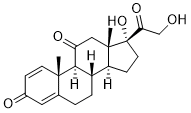
Prednisone DEA controlled substance

别名: Prednisone; Dehydrocortisone; Deltasone; Meticorten; Decortin; Prednisonum; Deltasone; Encorton; Encortone; Enkortolon 泼尼松; 17Α,21-二羟基-1,4-孕甾二烯-3,11,20-三酮; 脱氢可的松;强的松; 去氢可的松; 170,21-二羟基-Δ1,4-孕甾二烯-3,11,20-三酮, 17Α,21-DIHYDROXY-1,4-PREGNADIENE-3,11,20-TRIONE;泼尼松,PREDNISONE;去氢皮质素;泼尼松原粉
目录号: V1699 纯度: ≥98%
泼尼松(也称为脱氢可的松;商品名:Adasone、Deltasone、Liquid Pred、Orasone 等)是一种经批准的糖皮质激素药物,主要用于抑制免疫系统并减少哮喘、慢性阻塞性肺病和风湿病等疾病的炎症。
Prednisone CAS号: 53-03-2
产品类别: Calcium Channel
产品仅用于科学研究,不针对患者销售
规格 价格 库存 数量
500mg
1g
2g
5g
10g
50g
Other Sizes

Other Forms of Prednisone:

  • Prednisone-d8 (Dehydrocortisone-d8)
  • Prednisone acetate-d3 (Prednisone 21-acetate-d3)
  • 醋酸泼尼松
点击了解更多
InvivoChem产品被CNS等顶刊论文引用
纯度/质量控制文件

纯度: ≥98%

产品描述
泼尼松(也称为脱氢可的松;商品名:Adasone、Deltasone、Liquid Pred、Orasone 等)是一种经批准的糖皮质激素药物,主要用于抑制免疫系统并减少哮喘、慢性阻塞性肺病和风湿病等疾病的炎症。泼尼松是一种有效的合成皮质类固醇药物,作为免疫抑制剂化合物特别有效。它用于治疗某些炎症性疾病,例如中度过敏反应、一些自身免疫性疾病和某些类型的癌症,但它有显着的副作用。泼尼松可降低粘膜 TNF-a 的产生、肠道通透性和 NF-κB 表达水平。
生物活性&实验参考方法
靶点
Glucocorticoid Receptor (GR) [1][3]
体外研究 (In Vitro)
泼尼松可阻断细胞周期 G1 期的外周血淋巴细胞 (PBL) 生长,并抑制活化的人外周血 T 淋巴细胞中的 IL-2 受体 (IL-2R) 表达和 IL-2 分泌。泼尼松可增加 PHA 激活的人 PBL 的凋亡,且泼尼松对 CD8(+) T 淋巴细胞的凋亡作用强于对 CD4(+) T 淋巴细胞。
体内研究 (In Vivo)
与对照组相比,泼尼松(肌肉注射,10 mg/kg,每日一次,第 4-13 天)降低了患有脑心肌炎病毒性心肌炎的 BALB/c 小鼠的存活率。此外,心肌病毒滴度在第4天达到峰值,但不存在抗体滴度。第8天,病毒和抗体滴度仍然升高。与对照相比,第 10 天抗体滴度仍显着升高,但病毒滴度显着降低[2]。在SLE小鼠(MRL/lpr)模型中,泼尼松(5 mg/kg,胃内给药,每日一次)可以改变FA的代谢[3]。
在充血性心力衰竭患者中,口服泼尼松(每日10-30 mg)联合常规利尿剂使用时可增强利尿效果。较单独使用利尿剂,尿量增加30-50%,减轻外周和肺水肿;心输出量改善15-20%,缓解心力衰竭症状(如呼吸困难、乏力)[1]
- 在MRL/lpr小鼠(系统性红斑狼疮模型)中,口服泼尼松(2.5 mg/kg,每日1次,连续8周)调节血清脂肪酸代谢。它纠正异常的脂肪酸谱,使抗炎性亚油酸水平增加25%,促炎性花生四烯酸水平降低30%;同时使全身性炎症标志物(如抗双链DNA抗体)减少40%[3]
动物实验
Animal/Disease Models: Female MRL/lpr mice[3]
Doses: 5 mg/kg
Route of Administration: intragastrically (po) administration, daily
Experimental Results: Elevated polyunsaturated FA, such as arachidonic acid and docosahexaenoic acid, and decreased the total level of n-6 polyunsaturated fatty acids in.
MRL/lpr mouse model of systemic lupus erythematosus: 8-week-old MRL/lpr mice were randomly assigned to treatment and control groups. Prednisone was dissolved in normal saline and administered orally at 2.5 mg/kg once daily for 8 weeks. Control mice received an equal volume of normal saline. After treatment, blood samples were collected via orbital venous plexus to isolate serum for fatty acid metabolic profiling (gas chromatography-mass spectrometry) and inflammation marker detection[3]
药代性质 (ADME/PK)
Absorption, Distribution and Excretion
The time to peak concentration (Tmax) of oral prednisone is 2 hours, while that of sustained-release formulations is 6–6.5 hours. The AUC of 5 mg prednisone is 572 mL/min/1.73 m², 20 mg prednisone is 1034 mL/min/1.73 m², and 50 mg prednisone is 2271 mL/min/1.73 m². Cmax data for prednisone are not yet available. Prednisone is primarily excreted in the urine as sulfate and glucuronide conjugates. The volume of distribution (VOD) of prednisone is not yet available. However, the VOD of 0.15 mg/kg prednisolone is 29.3 L, while that of 0.30 mg/kg is 44.2 L. Data regarding prednisone clearance are not yet available. The mean clearance of prednisolone administered at a rate of 5.5 µg/h/kg was 0.066 ± 0.12 L/h/kg, while the mean clearance of prednisolone administered at a rate of 0.15 ± 0.03 L/h/kg was 0.15 L/h/kg.
Thirty minutes after intravenous injection of (3) H-prednisolone into monkeys, the highest concentration of prednisolone was observed in the kidneys. The drug is also present in the liver, spleen, lungs, small intestine, serum, and bile. Prednisolone was most readily absorbed from the intestines. After oral administration of 5 mg prednisolone tablets to beagle dogs, the serum concentrations of prednisolone and its active metabolite prednisolone peaked at 1 hour. After intraperitoneal injection and oral administration of prednisolone to mice, the serum concentrations of prednisolone, prednisolone, and other metabolites peaked at 15 minutes. These concentrations in mice administered prednisone intraperitoneally were higher than those in mice given the same oral dose. In dogs and monkeys, oral prednisone administration resulted in serum concentrations comparable to those following intravenous administration, but with significant individual variability. Prednisone is readily absorbed from the intestine. In a study involving 22 healthy subjects, the mean peak serum concentration after oral administration of a 50 mg tablet was 930 μg/L (range: 508–1579 μg/L). This article reports the protein binding characteristics of prednisone and prednisolone, alone and in combination, in human plasma, rabbit plasma, and human serum albumin. The binding kinetics of prednisolone were nonlinear in both human and rabbit plasma, while those of prednisone were linear; the binding of prednisone to human serum albumin was also linear, but weakly so. This suggests that prednisone may bind to other proteins besides albumin in plasma. Prednisolone did not affect the binding of prednisone. These results support the hypothesis that the protein binding characteristics of prednisone and prednisolone do not explain the reported nonlinear pharmacokinetics of prednisone.
Physiological doses are unlikely to have adverse effects on infants. FDA Classification: C (C = Laboratory animal studies have shown adverse effects on the fetus (teratogenicity, embryonic lethality, etc.), but there are no controlled studies in pregnant women. Despite the potential risks, the benefits of using this drug in pregnant women may be acceptable, or there are no adequate laboratory animal studies or studies in pregnant women.) /Adrenocortical Hormones/ /From Table II/
Metabolism/Metabolites
Prednisone is metabolized to 17α,21-dihydroxypregnane-1,4,6-trien-3,11,30-trione (M-XVII), 20α-dihydroprednisone (MV), 6β-hydroxyprednisone (M-XII), 6α-hydroxyprednisone (M-XIII), or 20β-dihydroprednisone (M-IV). 20β-Dihydroprednisolone is metabolized to 17α,20ξ,21-trihydroxy-5ξ-pregnane-1-en-3,11-dione (M-XVIII). Prednisolone is reversibly metabolized to prednisolone. Prednisolone is metabolized to Δ6-prednisolone (M-XI), 20α-dihydroprednisolone (M-III), 20β-dihydroprednisolone (M-II), 6α-hydroxyprednisolone (M-VII), or 6β-hydroxyprednisolone (M-VI). 6α-hydroxyprednisolone is metabolized to 6α,11β,17α,20β,21-pentahydroxypregnane-1,4-dien-3-one (MX). 6β-Hydroxyprednisolone is metabolized to 6β,11β,17α,20β,21-pentahydroxypregnane-1,4-dien-3-one (M-VIII), 6β,11β,17α,20α,21-pentahydroxypregnane-1,4-dien-3-one (M-IX), and 6β,11β,17α,21-tetrahydroxy-5ξ-pregnane-1-en-3,20-dione (M-XIV). MVIII is metabolized to 6β,11β,17α,20β,21-pentahydroxy-5ξ-pregnane-1-en-3-one (M-XV), and then to MXIV; while MIX is metabolized to 6β,11β,17α,20α,21-pentahydroxy-5ξ-pregnane-1-en-3-one (M-XVI), and then to MXIV. These metabolites and their glucuronide conjugates are primarily excreted in the urine. One study showed that after oral prednisone administration, plasma prednisolone concentrations peaked between 60 and 120 minutes, then declined exponentially. Following rapid intravenous injection of steroids, plasma prednisolone concentrations peaked within 10 to 20 minutes. The plasma prednisolone concentration over time exhibited a biphasic exponential disappearance curve, showing an initial rapid distribution phase followed by a slower decay phase. The plasma prednisolone concentrations achieved after oral prednisone were at the same level as those in the second phase after intravenous administration. 11β-hydroxy dehydrogenase reduces the 11-oxo group of prednisone to 11α-hydroxy, thereby converting it into biologically active prednisolone. This reaction primarily occurs in the liver and proceeds smoothly even in cases of liver disease. In vitro experiments have shown that prednisone can be converted to prednisolone in liver, lung, and kidney tissues. Conversely, prednisolone is converted to prednisone in kidney tissue. This study aimed to evaluate the effects of corticosteroids on the expression of various cytochrome P450s, including P450 1A2, 2D6, 2E1, and 3A, and on cyclosporine A oxidase activity. Human hepatocytes obtained from hepatectomy were cultured in serum-free medium in collagen-coated dishes for 96–144 hours, with or without 50–100 μM corticosteroids, rifampin, or dexamethasone. To more closely resemble current clinical protocols, hepatocyte cultures were also treated with corticosteroids and either cyclosporine A or ketoconazole (a selective cytochrome P450 3A inhibitor). In these cultures, we measured in parallel cyclosporine A oxidase activity, retention of cyclosporine A oxidative metabolites in hepatocytes, accumulation of cytochrome P450 protein and its corresponding mRNA, and de novo synthesis and half-life of these cytochrome P450s. Our results from seven different hepatocyte cultures indicate that: 1) Dexamethasone and prednisone (but not prednisolone or methylprednisolone) are inducers of cytochrome P450 3A, both at the levels of protein and mRNA accumulation and at the level of cyclosporine A oxidase activity, which is known to be primarily catalyzed by these cytochrome P450s; 2) Although corticosteroids are known to be metabolized in the human liver, particularly through cytochrome P450 3A, partial or complete inhibition of this cytochrome P450 by cyclosporine or ketoconazole does not affect the induction efficiency of these molecules; 3) Corticosteroids do not affect the half-life of cytochrome P450 3A or the accumulation of other forms of cytochrome P450 (including 1A2, 2D6, and 2E1); 4) Long-term treatment of cells with cyclosporine does not affect the accumulation of cytochrome P450 3A; 5) All corticosteroids are competitive inhibitors of cyclosporine A oxidase in human liver microsomes. The Ki values of dexamethasone, prednisolone, prednisone, and methylprednisolone are 61±12 μM, 125±25 μM, 190±38 μM, and 210±42 μM, respectively. 6) Long-term treatment of cells with corticosteroids does not affect the excretion of intracellular cyclosporine oxidase metabolites. Prednisone is completely converted to the active metabolite prednisolone by 11'-hydroxysteroid dehydrogenase, and then further metabolized mainly in the liver. The exposure to prednisolone is 4-6 times higher than that of prednisone. Elimination route: Excreted in urine as sulfate and glucuronide conjugates. Half-life: The half-life of both immediate-release and sustained-release formulations is 2 to 3 hours.
Biological Half-Life
The half-life of prednisone and its active metabolite [prednisolone], whether in immediate-release or sustained-release formulations, is 2–3 hours.
In a study involving 22 healthy subjects, the mean peak serum concentration after oral administration of a 50 mg tablet was 930 μg/L (range: 508–1579 μg/L). The overall mean serum half-life was 2.95 hours.
毒性/毒理 (Toxicokinetics/TK)
Toxicity Summary
Identification and Uses: Prednisone is a white crystalline powder with a persistent bitter taste. It is a glucocorticoid, anti-inflammatory drug, and antitumor drug. Human Exposure and Toxicity: Continued use of therapeutic doses of prednisone can cause significant and diverse metabolic effects. High doses can induce cardiac complications. Furthermore, it can alter the body's immune response to various stimuli; these include lymphopenia, monopenia, and suppression of delayed-type hypersensitivity skin tests. Fluid and electrolyte disturbances may occur, including sodium and fluid retention, which can lead to congestive heart failure and hypertension. High doses may cause potassium loss, hypokalemic alkalosis, and increased calcium excretion. Glucocorticoids may cause fetal harm when used in pregnant women. A retrospective study included 260 pregnant women treated with pharmacological doses of glucocorticoids, resulting in 2 cases of cleft palate, 8 stillbirths, 1 spontaneous abortion, and 15 preterm births. Another study reported 2 cases of cleft palate in 86 deliveries. No chromosomal damage was detected in peripheral blood lymphocytes in patients who received prednisone monotherapy for 28 days (at a dose of 3 mg/kg body weight/day), followed by prednisone treatment at 0.5–1 mg/kg body weight/day for 18–120 months. Animal studies: Carcinogenicity studies have been conducted in rats and mice. In treated male rats, tumors were found in 7 out of 20 rats, including 3 pituitary adenomas and 1 mammary adenoma; in 16 out of 18 female rats, tumors were found in 8 mammary adenomas, 5 pituitary adenomas, 2 adrenal adenomas, and 1 hepatoma. The overall tumor incidence in female animals was 1.5–2 times higher than in the control group. However, in mice, the tumor incidence rate was 4/19 (21%) in treated males, including 2 cases of lymphosarcoma and 2 cases of lung tumors; the tumor incidence rate was 8/27 (30%) in treated females, including 4 cases of lung tumors, 2 cases of lymphosarcoma, and 2 cases of uterine tumors. These incidence rates were not significantly different from the control group. It has been reported that daily administration of 2.5 or 5 mg of prednisone to rats from day 11 of gestation until parturition inhibits the growth of the fetal thymus and spleen. Prednisone is non-mutagenic to Escherichia coli and did not cause chromosomal damage after administration to rats. Ecotoxicity studies: Acute toxicity tests were conducted using the rotifer Brachionus calyciflorus and two crustaceans—Daphnia magna and Thamnocephalus platyurus. Chronic toxicity tests were conducted on Pseudokirchneriella subcapitata and Ceriodaphnia dubia. Results showed that prednisone had low acute and chronic toxicity. Some photolysis products exhibited high toxicity to Ceriodaphnia dubia. Prednisone is a glucocorticoid receptor agonist. It is first metabolized in the liver to its active form, prednisolone. Prednisolone can cross cell membranes and bind with high affinity to specific cytoplasmic receptors. Its mechanisms of action include inhibiting leukocyte infiltration at sites of inflammation, interfering with the function of inflammatory mediators, suppressing humoral immune responses, and reducing edema or scar tissue. The anti-inflammatory effects of corticosteroids are thought to be related to lipocortin, a phospholipase A2 inhibitor that controls the biosynthesis of potent inflammatory mediators such as prostaglandins and leukotrienes. Prednisone can stimulate the secretion of various components in gastric juice. Inhibition of adrenocorticotropic hormone (ACTH) production may lead to the inhibition of endogenous corticosteroids. Prednisone has mild mineralocorticoid activity, stimulating sodium ion entry into cells and promoting intracellular potassium ion excretion. This is particularly pronounced in the kidneys, where rapid ion exchange can lead to sodium retention and hypertension.
Effects during pregnancy and lactation
◉ Overview of use during lactation
Prednisone levels in breast milk are extremely low. No adverse effects have been reported on breastfed infants from the use of any corticosteroid by breastfeeding mothers. While it is generally recommended to avoid breastfeeding for 4 hours after taking this medication, this is unnecessary due to the extremely low concentration of prednisone in breast milk. Moderate to high doses of corticosteroids administered systemically or injected into joints or the breast have been reported to cause a temporary decrease in milk production.
◉ Effects on breastfed infants
No effects of prednisone or any other corticosteroids on breastfed infants have been reported. In a prospective follow-up study, six breastfeeding mothers reported no adverse effects on their infants from taking prednisone (dosage not specified). Several reports indicate that breastfeeding during long-term corticosteroid use did not adversely affect infants: 10 mg prednisone daily (2 infants) and 5 to 7.5 mg prednisolone daily (14 infants). One woman with Crohn's disease began breastfeeding immediately postpartum and took 60 mg prednisone daily on a gradually tapering schedule (specific dosage not specified). She also took 4 g sulfasalazine daily during pregnancy and postpartum, and infliximab 5 mg/kg every 8 weeks. The infant was asymptomatic and had normal weight gain at 6 months of age. According to the National Transplant Pregnancy Registry, as of December 2013, 124 women who received transplants took prednisone while breastfeeding 169 infants, with the longest breastfeeding period being 48 months, and no significant harm was observed to the infants.
◉ Effects on Lactation and Breast Milk
As of the revision date, no published information was found regarding the effects of prednisone on serum prolactin levels or lactation in breastfeeding mothers. Moderate to high doses of corticosteroids administered systemically or via intra-articular or breast injection have been reported to cause a temporary decrease in lactation.
A study of 46 women who delivered before 34 weeks of gestation found that administration of another corticosteroid (betamethasone, 11.4 mg intramuscularly twice 24 hours apart) 3 to 9 days before delivery resulted in delayed lactation stage II and a decrease in average milk production within 10 days postpartum. Milk production was unaffected if the infant was delivered within 3 days or 10 days after the mother received corticosteroid treatment. Equivalent doses of prednisone may have the same effect.
A study of 87 pregnant women found that administration of betamethasone during pregnancy as described above resulted in a premature increase in lactose secretion during pregnancy. Although this increase was statistically significant, its clinical significance appears to be small. Equivalent doses of prednisone may have the same effect. Protein Binding Corticosteroids typically bind to corticosteroid-binding globulins in plasma and serum albumin. Prednisone has a plasma protein binding rate of less than 50%. Interactions
Anticholinesterase drugs (e.g., neostigmine, pyridostigmine) may cause severe myasthenia gravis in patients with myasthenia gravis when used concurrently with corticosteroids. If possible, anticholinesterase drugs should be discontinued at least 24 hours before starting corticosteroid treatment. If concurrent use is necessary, it should be done under close monitoring, with an anticipated need for respiratory support. Corticosteroids Concomitant use of corticosteroids with warfarin generally results in reduced warfarin efficacy, although there are conflicting reports. Therefore, coagulation parameters should be monitored frequently to maintain the desired anticoagulant effect. Corticosteroids Because corticosteroids may increase blood glucose levels, adjustments to the dosage of hypoglycemic agents may be necessary. Cholestyramine Cholestyramine may increase the clearance of corticosteroids. /Corticosteroids/
For more complete data on interactions of prednisone (25 in total), please visit the HSDB record page.
Non-human toxicity values
Mouse intramuscular LD50: 600 mg/kg
Mouse subcutaneous LD50: 101 mg/kg
Mouse intraperitoneal LD50: 135 mg/kg
参考文献
[1]. RIEMER AD. Application of the newer corticosteroids to augment diuresis in congestive heart failure. Am J Cardiol. 1958 Apr;1(4):488-96.
[2]. [2]N Tomioka, et al. Effects of prednisolone on acute viral myocarditis in mice. J Am Coll Cardiol. 1986 Apr;7(4):868-72.
[3]. Qianqian Li, et al. Metabolic Profiling Reveals an Abnormal Pattern of Serum Fatty Acids in MRL/lpr Mice Under Treatment With Prednisone. Front Pharmacol. 2020 Feb 25;11:115.
其他信息
Therapeutic Uses
Anti-inflammatory drugs; antitumor drugs; hormones; glucocorticoids. Prednisone is generally considered the first-line oral glucocorticoid, possessing anti-inflammatory or immunosuppressive effects. Due to its very weak mineralocorticoid properties, prednisone alone is insufficient to treat adrenal insufficiency. If prednisone is used to treat this condition, mineralocorticoids must be used concurrently. Prednisone tablets and solutions are indicated for the following conditions: endocrine disorders: primary or secondary adrenal insufficiency (hydrocortisone or cortisone is preferred; synthetic analogs may be used in combination with mineralocorticoids where applicable; mineralocorticoid supplementation is particularly important in infancy); congenital adrenal hyperplasia; cancer-related hypercalcemia; non-suppurative thyroiditis. /Included on US Product Label/
Prednisone tablets and solutions are indicated for the following conditions: Rheumatic diseases: As short-term adjunctive therapy (to help patients get through acute flare-ups or exacerbations), for: psoriatic arthritis, rheumatoid arthritis (including juvenile rheumatoid arthritis, some cases may require low-dose maintenance therapy), ankylosing spondylitis, acute and subacute bursitis, acute nonspecific tenosynovitis, acute gouty arthritis, post-traumatic osteoarthritis, osteoarthritis synovitis, lateral epicondylitis of the humerus. /Included on US Product Label/
For more complete data on the therapeutic uses of prednisone (19 types), please visit the HSDB record page.
Drug Warnings
Prednisone's significant effects on the immune system increase the risk of various types of infections in patients. Prednisone may mask the symptoms of some infections and may reduce host resistance, interfering with local control of infections. Polymorphonuclear leukocytosis may occur during prednisone treatment, which may lead to confusion in the diagnosis of infection. This elevation is dose-related.
It has been reported that 4% to 36% of patients experience psychiatric reactions. These disturbances can manifest in various forms, such as insomnia, mood or mental state changes, and psychotic disorders such as bipolar disorder or schizophrenia.
Ocular complications include the development of posterior subcapsular cataracts and increased intraocular pressure, the latter potentially leading to glaucoma. In patients with ocular herpes simplex, it can cause corneal perforation.
Many endocrine side effects exist. The most common is Cushing's syndrome. Mediastinal fat deposition leads to mediastinal widening, which may resemble mediastinal lymphadenopathy. Menstrual irregularities, including amenorrhea, may occur. Secondary adrenal and pituitary hypofunction may occur, especially under stress, such as trauma, surgery, or illness. It takes about one year for some patients to recover normal pituitary and adrenal function. Children may experience growth retardation and delayed skeletal maturation. Prednisone can cause decreased carbohydrate tolerance and may induce symptoms of underlying diabetes. For more complete data on prednisone (38 in total), please visit the HSDB records page.
Pharmacodynamics
Corticosteroids bind to glucocorticoid receptors, inhibiting pro-inflammatory signaling and promoting anti-inflammatory signaling. Prednisone has a short duration of action, with a half-life of 2-3 hours. Corticosteroids have a wide therapeutic window, so patients may need to take doses far exceeding the body's natural production. Patients taking glucocorticoids should be informed of the risks of hypothalamic-pituitary-adrenal axis suppression and increased susceptibility to infection.
Prednisone is a synthetic glucocorticoid that exerts its pharmacological effects after being metabolized and activated in the liver to prednisolone (its active form)[1][3]
- Its core mechanism involves binding to the glucocorticoid receptor (GR) to regulate gene expression, including anti-inflammatory, immunosuppressive, electrolyte balance-regulating, and metabolic regulatory effects[1][3]
- Clinically, prednisone is used as adjunctive therapy for congestive heart failure to enhance diuresis and improve cardiac function[1]
- In autoimmune diseases such as systemic lupus erythematosus, prednisone alleviates pathological symptoms by correcting metabolic abnormalities (e.g., abnormal fatty acid profiles) and suppressing excessive immune responses[3]
*注: 文献方法仅供参考, InvivoChem并未独立验证这些方法的准确性
化学信息 & 存储运输条件
分子式
C21H26O5
分子量
358.43
精确质量
358.178
CAS号
53-03-2
相关CAS号
Prednisone-d8;Prednisone acetate;125-10-0
PubChem CID
5865
外观&性状
Crystals
White to practically white, crystalline powder
密度
1.3±0.1 g/cm3
沸点
573.7±50.0 °C at 760 mmHg
熔点
236-238 °C(lit.)
闪点
314.8±26.6 °C
蒸汽压
0.0±3.6 mmHg at 25°C
折射率
1.604
LogP
1.57
tPSA
91.67
氢键供体(HBD)数目
2
氢键受体(HBA)数目
5
可旋转键数目(RBC)
2
重原子数目
26
分子复杂度/Complexity
764
定义原子立体中心数目
6
SMILES
O([H])[C@]1(C(C([H])([H])O[H])=O)C([H])([H])C([H])([H])[C@@]2([H])[C@]3([H])C([H])([H])C([H])([H])C4=C([H])C(C([H])=C([H])[C@]4(C([H])([H])[H])[C@@]3([H])C(C([H])([H])[C@@]21C([H])([H])[H])=O)=O
InChi Key
XOFYZVNMUHMLCC-ZPOLXVRWSA-N
InChi Code
InChI=1S/C21H26O5/c1-19-7-5-13(23)9-12(19)3-4-14-15-6-8-21(26,17(25)11-22)20(15,2)10-16(24)18(14)19/h5,7,9,14-15,18,22,26H,3-4,6,8,10-11H2,1-2H3/t14-,15-,18+,19-,20-,21-/m0/s1
化学名
(8S,9S,10R,13S,14S,17R)-17-hydroxy-17-(2-hydroxyacetyl)-10,13-dimethyl-6,7,8,9,12,14,15,16-octahydrocyclopenta[a]phenanthrene-3,11-dione
别名
Prednisone; Dehydrocortisone; Deltasone; Meticorten; Decortin; Prednisonum; Deltasone; Encorton; Encortone; Enkortolon
HS Tariff Code
2934.99.9001
存储方式

Powder      -20°C    3 years

                     4°C     2 years

In solvent   -80°C    6 months

                  -20°C    1 month

运输条件
Room temperature (This product is stable at ambient temperature for a few days during ordinary shipping and time spent in Customs)
溶解度数据
溶解度 (体外实验)
DMSO: 71 mg/mL (198.1 mM)
Water:<1 mg/mL
Ethanol:<1 mg/mL
溶解度 (体内实验)
配方 1 中的溶解度: ≥ 2.08 mg/mL (5.80 mM) (饱和度未知) in 10% DMSO + 40% PEG300 + 5% Tween80 + 45% Saline (这些助溶剂从左到右依次添加,逐一添加), 澄清溶液。
例如,若需制备1 mL的工作液,可将100 μL 20.8 mg/mL澄清DMSO储备液加入400 μL PEG300中,混匀;然后向上述溶液中加入50 μL Tween-80,混匀;加入450 μL生理盐水定容至1 mL。
*生理盐水的制备:将 0.9 g 氯化钠溶解在 100 mL ddH₂O中,得到澄清溶液。

配方 2 中的溶解度: ≥ 2.08 mg/mL (5.80 mM) (饱和度未知) in 10% DMSO + 90% (20% SBE-β-CD in Saline) (这些助溶剂从左到右依次添加,逐一添加), 澄清溶液。
例如,若需制备1 mL的工作液,可将 100 μL 20.8 mg/mL澄清DMSO储备液加入900 μL 20% SBE-β-CD生理盐水溶液中,混匀。
*20% SBE-β-CD 生理盐水溶液的制备(4°C,1 周):将 2 g SBE-β-CD 溶解于 10 mL 生理盐水中,得到澄清溶液。

View More

配方 3 中的溶解度: ≥ 2.08 mg/mL (5.80 mM) (饱和度未知) in 10% DMSO + 90% Corn Oil (这些助溶剂从左到右依次添加,逐一添加), 澄清溶液。
例如,若需制备1 mL的工作液,可将 100 μL 20.8 mg/mL 澄清 DMSO 储备液加入到 900 μL 玉米油中并混合均匀。


请根据您的实验动物和给药方式选择适当的溶解配方/方案:
1、请先配制澄清的储备液(如:用DMSO配置50 或 100 mg/mL母液(储备液));
2、取适量母液,按从左到右的顺序依次添加助溶剂,澄清后再加入下一助溶剂。以 下列配方为例说明 (注意此配方只用于说明,并不一定代表此产品 的实际溶解配方):
10% DMSO → 40% PEG300 → 5% Tween-80 → 45% ddH2O (或 saline);
假设最终工作液的体积为 1 mL, 浓度为5 mg/mL: 取 100 μL 50 mg/mL 的澄清 DMSO 储备液加到 400 μL PEG300 中,混合均匀/澄清;向上述体系中加入50 μL Tween-80,混合均匀/澄清;然后继续加入450 μL ddH2O (或 saline)定容至 1 mL;

3、溶剂前显示的百分比是指该溶剂在最终溶液/工作液中的体积所占比例;
4、 如产品在配制过程中出现沉淀/析出,可通过加热(≤50℃)或超声的方式助溶;
5、为保证最佳实验结果,工作液请现配现用!
6、如不确定怎么将母液配置成体内动物实验的工作液,请查看说明书或联系我们;
7、 以上所有助溶剂都可在 Invivochem.cn网站购买。
制备储备液 1 mg 5 mg 10 mg
1 mM 2.7899 mL 13.9497 mL 27.8995 mL
5 mM 0.5580 mL 2.7899 mL 5.5799 mL
10 mM 0.2790 mL 1.3950 mL 2.7899 mL

1、根据实验需要选择合适的溶剂配制储备液 (母液):对于大多数产品,InvivoChem推荐用DMSO配置母液 (比如:5、10、20mM或者10、20、50 mg/mL浓度),个别水溶性高的产品可直接溶于水。产品在DMSO 、水或其他溶剂中的具体溶解度详见上”溶解度 (体外)”部分;

2、如果您找不到您想要的溶解度信息,或者很难将产品溶解在溶液中,请联系我们;

3、建议使用下列计算器进行相关计算(摩尔浓度计算器、稀释计算器、分子量计算器、重组计算器等);

4、母液配好之后,将其分装到常规用量,并储存在-20°C或-80°C,尽量减少反复冻融循环。

计算器

摩尔浓度计算器可计算特定溶液所需的质量、体积/浓度,具体如下:

  • 计算制备已知体积和浓度的溶液所需的化合物的质量
  • 计算将已知质量的化合物溶解到所需浓度所需的溶液体积
  • 计算特定体积中已知质量的化合物产生的溶液的浓度
使用摩尔浓度计算器计算摩尔浓度的示例如下所示:
假如化合物的分子量为350.26 g/mol,在5mL DMSO中制备10mM储备液所需的化合物的质量是多少?
  • 在分子量(MW)框中输入350.26
  • 在“浓度”框中输入10,然后选择正确的单位(mM)
  • 在“体积”框中输入5,然后选择正确的单位(mL)
  • 单击“计算”按钮
  • 答案17.513 mg出现在“质量”框中。以类似的方式,您可以计算体积和浓度。

稀释计算器可计算如何稀释已知浓度的储备液。例如,可以输入C1、C2和V2来计算V1,具体如下:

制备25毫升25μM溶液需要多少体积的10 mM储备溶液?
使用方程式C1V1=C2V2,其中C1=10mM,C2=25μM,V2=25 ml,V1未知:
  • 在C1框中输入10,然后选择正确的单位(mM)
  • 在C2框中输入25,然后选择正确的单位(μM)
  • 在V2框中输入25,然后选择正确的单位(mL)
  • 单击“计算”按钮
  • 答案62.5μL(0.1 ml)出现在V1框中
g/mol

分子量计算器可计算化合物的分子量 (摩尔质量)和元素组成,具体如下:

注:化学分子式大小写敏感:C12H18N3O4  c12h18n3o4
计算化合物摩尔质量(分子量)的说明:
  • 要计算化合物的分子量 (摩尔质量),请输入化学/分子式,然后单击“计算”按钮。
分子质量、分子量、摩尔质量和摩尔量的定义:
  • 分子质量(或分子量)是一种物质的一个分子的质量,用统一的原子质量单位(u)表示。(1u等于碳-12中一个原子质量的1/12)
  • 摩尔质量(摩尔重量)是一摩尔物质的质量,以g/mol表示。
/

配液计算器可计算将特定质量的产品配成特定浓度所需的溶剂体积 (配液体积)

  • 输入试剂的质量、所需的配液浓度以及正确的单位
  • 单击“计算”按钮
  • 答案显示在体积框中
动物体内实验配方计算器(澄清溶液)
第一步:请输入基本实验信息(考虑到实验过程中的损耗,建议多配一只动物的药量)
第二步:请输入动物体内配方组成(配方适用于不溶/难溶于水的化合物),不同的产品和批次配方组成不同,如对配方有疑问,可先联系我们提供正确的体内实验配方。此外,请注意这只是一个配方计算器,而不是特定产品的确切配方。
+
+
+

计算结果:

工作液浓度 mg/mL;

DMSO母液配制方法 mg 药物溶于 μL DMSO溶液(母液浓度 mg/mL)。如该浓度超过该批次药物DMSO溶解度,请首先与我们联系。

体内配方配制方法μL DMSO母液,加入 μL PEG300,混匀澄清后加入μL Tween 80,混匀澄清后加入 μL ddH2O,混匀澄清。

(1) 请确保溶液澄清之后,再加入下一种溶剂 (助溶剂) 。可利用涡旋、超声或水浴加热等方法助溶;
            (2) 一定要按顺序加入溶剂 (助溶剂) 。

临床试验信息
Study of Pembrolizumab (MK-3475) Combination Therapies in Metastatic Castration-Resistant Prostate Cancer (MK-3475-365/KEYNOTE-365)
CTID: NCT02861573
Phase: Phase 1/Phase 2    Status: Recruiting
Date: 2024-12-02
Substudy 01A: Safety and Efficacy of Opevesostat (MK-5684)-Based Treatment Combinations or Opevesostat Alone in Participants With Metastatic Castration-resistant Prostate Cancer (mCRPC) (MK-5684-01A)
CTID: NCT06353386
Phase: Phase 1/Phase 2    Status: Recruiting
Date: 2024-12-02
Study of Opevesostat (MK-5684) Versus Alternative NHA in mCRPC (MK-5684-003)
CTID: NCT06136624
Phase: Phase 3    Status: Recruiting
Date: 2024-12-02
A Study to Evaluate the Efficacy, Safety, and Pharmacokinetics of Obinutuzumab in Adolescents With Active Class III or IV Lupus Nephritis and the Safety and PK of Obinutuzumab in Pediatric Participants
CTID: NCT05039619
Phase: Phase 2    Status: Recruiting
Date: 2024-12-02
A Study to Compare Standard Therapy to Treat Hodgkin Lymphoma to the Use of Two Drugs, Brentuximab Vedotin and Nivolumab
CTID: NCT05675410
Phase: Phase 3    Status: Recruiting
Date: 2024-12-02
View More

Venetoclax, Ibrutinib, Prednisone, Obinutuzumab, and Revlimid (ViPOR) in Relapsed/Refractory B-cell Lymphoma
CTID: NCT03223610
Phase: Phase 1/Phase 2    Status: Recruiting
Date: 2024-12-02


A Study to Evaluate the Safety and Efficacy of Glofitamab in Combination With Rituximab (R) Plus Cyclophosphamide, Doxorubicin, Vincristine, and Prednisone (CHOP) in Circulating Tumor (ct)DNA High-Risk Patients With Untreated Diffuse Large B-Cell Lymphoma
CTID: NCT04980222
Phase: Phase 2    Status: Active, not recruiting
Date: 2024-12-02
Nivolumab in Combination With Chemo-Immunotherapy for the Treatment of Newly Diagnosed Primary Mediastinal B-Cell Lymphoma
CTID: NCT04759586
Phase: Phase 3    Status: Recruiting
Date: 2024-12-02
Finite Androgen Ablation With or Without Abiraterone Acetate and Prednisone in Treating Patients With Recurrent Prostate Cancer
CTID: NCT01786265
Phase: Phase 2    Status: Active, not recruiting
Date: 2024-11-29
Multi-arm Multi-modality Therapy for Very High Risk Localized and Low Volume Metastatic Prostatic Adenocarcinoma
CTID: NCT03436654
Phase: Phase 2    Status: Active, not recruiting
Date: 2024-11-29
Abiraterone Acetate, Prednisone, and Apalutamide With or Without Ipilimumab or Cabazitaxel and Carboplatin in Treating Patients With Metastatic Castration-Resistant Prostate Cancer
CTID: NCT02703623
Phase: Phase 2    Status: Active, not recruiting
Date: 2024-11-29
ARX517/JNJ-95298177 as Monotherapy or Combination Therapy in Subjects With Metastatic Prostate Cancer
CTID: NCT04662580
Phase: Phase 1    Status: Recruiting
Date: 2024-11-29
A Phase 2 Study of Ruxolitinib With Chemotherapy in Children With Acute Lymphoblastic Leukemia
CTID: NCT02723994
Phase: Phase 2    Status: Active, not recruiting
Date: 2024-11-29
Intermittent Androgen Deprivation Therapy for Stage IV Castration Sensitive Prostate Cancer
CTID: NCT03511196
PhaseEarly Phase 1    Status: Active, not recruiting
Date: 2024-11-29
Pomalidomide and Dose-Adjusted EPOCH +/- Rituximab for HIV-Associated Lymphomas
CTID: NCT05389423
Phase: Phase 1    Status: Suspended
Date: 2024-11-27
A Phase 1/2 Study of Intravenous Gene Transfer With an AAV9 Vector Expressing Human Beta-galactosidase in Type I and Type II GM1 Gangliosidosis
CTID: NCT03952637
Phase: Phase 1/Phase 2    Status: Recruiting
Date: 2024-11-27
Testing CC-486 (Oral Azacitidine) Plus the Standard Drug Therapy in Patients 75 Years or Older With Newly Diagnosed Diffuse Large B Cell Lymphoma
CTID: NCT04799275
Phase: Phase 2/Phase 3    Status: Recruiting
Date: 2024-11-27
Radiotherapy Followed by Tiselizumab Combined With RCHOP in Previously Untreated Bulky Follicular Lymphoma
CTID: NCT06704555
Phase: Phase 2    Status: Recruiting
Date: 2024-11-26
Stereotactic Body Radiation Therapy Plus Androgen Receptor Pathway Inhibitor and Androgen Deprivation Therapy for Treatment of Metastatic, Recurrent Hormone-Sensitive Prostate Cancer, DIVINE Trial
CTID: NCT06378866
Phase: Phase 2    Status: Recruiting
Date: 2024-11-26
Total Therapy XVII for Newly Diagnosed Patients With Acute Lymphoblastic Leukemia and Lymphoma
CTID: NCT03117751
Phase: Phase 2/Phase 3    Status: Active, not recruiting
Date: 2024-11-26
An Open-Label Study Comparing Glofitamab and Polatuzumab Vedotin + Rituximab, Cyclophosphamide, Doxorubicin, and Prednisone Versus Pola-R-CHP in Previously Untreated Patients With Large B-Cell Lymphoma
CTID: NCT06047080
Phase: Phase 3    Status: Recruiting
Date: 2024-11-25
Virotherapy and Natural History Study of KHSV-Associated Multricentric Castleman s Disease With Correlates of Disease Activity
CTID: NCT00092222
Phase: Phase 2    Status: Active, not recruiting
Date: 2024-11-25
Study of Cabozantinib in Combination With Atezolizumab Versus Second NHT in Subjects With mCRPC
CTID: NCT04446117
Phase: Phase 3    Status: Active, not recruiting
Date: 2024-11-25
M9241 in Combination With Docetaxel in Adults With Metastatic Castration Sensitive and Castration Resistant Prostate Cancer
CTID: NCT04633252
Phase: Phase 1/Phase 2    Status: Recruiting
Date: 2024-11-25
Study of VIP152, Venetoclax, and Prednisone (VVIP) in Relapsed/Refractory Lymphoid Malignancies
CTID: NCT05371054
Phase: Phase 1/Phase 2    Status: Recruiting
Date: 2024-11-25
Testing the Use of Steroids and Tyrosine Kinase Inhibitors With Blinatumomab or Chemotherapy for Newly Diagnosed BCR-ABL-Positive Acute Lymphoblastic Leukemia in Adults
CTID: NCT04530565
Phase: Phase 3    Status: Recruiting
Date: 2024-11-25
Venetoclax, Ibrutinib, Prednisone, Obinutuzumab, and Revlimid in Combination With Polatuzumab (ViPOR-P) in Relapsed/Refractory B-cell Lymphoma
CTID: NCT04739813
Phase: Phase 1    Status: Recruiting
Date: 2024-11-25
Neoadjuvant Androgen Deprivation Therapy Combined With Enzalutamide and Abiraterone Using Multiparametric MRI and 18FDCFPyL PET/CT in Newly Diagnosed Prostate Cancer
CTID: NCT03860987
Phase: Phase 2    Status: Active, not recruiting
Date: 2024-11-25
Study of Axicabtagene Ciloleucel Versus Standard of Care Therapy in Participants With Relapsed/Refractory Follicular Lymphoma
CTID: NCT05371093
Phase: Phase 3    Status: Recruiting
Date: 2024-11-22
Orelabrutinib Combined With Rituximab Versus R-CVP in the Untreated MZL: A Randomized, Open Phase II Trial
CTID: NCT06700798
Phase: Phase 2    Status: Not yet recruiting
Date: 2024-11-22
Safety Study of Rituximab (SC) Administered in Participants With CD20+ DLBCL or CD20+ Follicular NHL Grade 1 to 3A
CTID: NCT02406092
Phase: Phase 3    Status: Completed
Date: 2024-11-21
Adcetris (Brentuximab Vedotin), Combination Chemotherapy, and Radiation Therapy in Treating Younger Patients With Stage IIB, IIIB and IV Hodgkin Lymphoma
CTID: NCT01920932
Phase: Phase 2    Status: Active, not recruiting
Date: 2024-11-21
Study to Compare the Effectiveness and Safety of Golcadomide Plus R-CHOP vs Placebo Plus R-CHOP in Participants With Previously Untreated High-risk Large B-cell Lymphoma
CTID: NCT06356129
Phase: Phase 3    Status: Recruiting
Date: 2024-11-21
Blinatumomab, Inotuzumab Ozogamicin, and Combination Chemotherapy as Frontline Therapy in Treating Patients With B Acute Lymphoblastic Leukemia
CTID: NCT02877303
Phase: Phase 2    Status: Recruiting
Date: 2024-11-20
Study of Safety and Efficacy of Pembrolizumab and Chemotherapy in Participants With Newly Diagnosed Classical Hodgkin Lymphoma (cHL) (MK-3475-C11/KEYNOTE-C11)
CTID: NCT05008224
Phase: Phase 2    Status: Completed
Date: 2024-11-20
Tafasitamab, Retifanlimab, and Rituximab in Combination With Standard Therapy for the Treatment of Diffuse Large B-cell Lymphoma
CTID: NCT05455697
Phase: Phase 1/Phase 2    Status: Recruiting
Date: 2024-11-20
A Study to Evaluate the Efficacy and Safety of Golcadomide in Combination With Rituximab in Participants With Newly Diagnosed Advanced Stage Follicular Lymphoma
CTID: NCT06425302
Phase: Phase 2    Status: Recruiting
Date: 2024-11-19
A Study to Test Whether Spesolimab Helps People With a Skin Condition Called Pyoderma Gangrenosum
CTID: NCT06624670
Phase: Phase 3    Status: Not yet recruiting
Date: 2024-11-19
Tazemetostat Plus CHOP in 1L T-cell Lymphoma
CTID: NCT06692452
Phase: Phase 2    Status: Not yet recruiting
Date: 2024-11-18
Prednisone for CRPS in Distal Radius Fracture
CTID: NCT06453447
Phase: N/A    Status: Recruiting
Date: 2024-11-18
A Study to Test an Oral Medicine, Belumosudil, in Combination With Corticosteroids in Participants at Least 12 Years of Age With Newly Diagnosed Chronic Graft Versus Host Disease.
CTID: NCT06143891
Phase: Phase 3    Status: Recruiting
Date: 2024-11-15
A Drug-Drug Interaction Study of Carbamazepine and Opevesostat (MK-5684) in Healthy Adult Male Participants (MK-5684-012)
CTID: NCT06633419
Phase: Phase 1    Status: Recruiting
Date: 2024-11-15
Cabozantinib and Abiraterone With Checkpoint Inhibitor Immunotherapy in Metastatic Hormone Sensitive Prostate Cancer (CABIOS Trial)
CTID: NCT04477512
Phase: Phase 1    Status: Active, not recruiting
Date: 2024-11-13
Combination Chemotherapy With or Without Donor Stem Cell Transplant in Treating Patients With Acute Lymphoblastic Leukemia
CTID: NCT00792948
Phase: Phase 2    Status: Active, not recruiting
Date: 2024-11-13
Brentuximab Vedotin and Combination Chemotherapy in Treating Children and Young Adults With Stage IIB, Stage IIIB, IVA, or IVB Hodgkin Lymphoma
CTID: NCT02166463
Phase: Phase 3    Status: Active, not recruiting
Date: 2024-11-13
Combination Chemotherapy in Treating Young Patients With Newly Diagnosed High-Risk B Acute Lymphoblastic Leukemia and Ph-Like TKI Sensitive Mutations
CTID: NCT02883049
Phase: Phase 3    Status: Active, not recruiting
Date: 2024-11-13
Rituximab and Combination Chemotherapy With or Without Lenalidomide in Treating Patients With Newly Diagnosed Stage II-IV Diffuse Large B Cell Lymphoma
CTID: NCT01856192
Phase: Phase 2    Status: Active, not recruiting
Date: 2024-11-13
A Study for Subjects With Prostate Cancer Who Previously Participated in an Enzalutamide Clinical Study
CTID: NCT02960022
Phase: Phase 2    Status: Recruiting
Date: 2024-11-13
Melphalan, Prednisone, and Thalidomide or Lenalidomide in Treating Patients With Newly Diagnosed Multiple Myeloma
CTID: NCT00602641
Phase: Phase 3    Status: Active, not recruiting
Date: 2024-11-13
SHR0302 and Steroid As First Line Therapy for Chronic GVHD
CTID: NCT04146207
PhaseEarly Phase 1    Status: Completed
Date: 2024-11-13
Vorinostat, Rituximab, and Combination Chemotherapy in Treating Patients With Newly Diagnosed Stage II, Stage III, or Stage IV Diffuse Large B-Cell Lymphoma
CTID: NCT00972478
Phase: Phase 1/Phase 2    Status: Active, not recruiting
Date: 2024-11-13
Obinutuzumab With or Without Umbralisib, Lenalidomide, or Combination Chemotherapy in Treating Patients With Relapsed or Refractory Grade I-IIIa Follicular Lymphoma
CTID: NCT03269669
Phase: Phase 2    Status: Active, not recruiting
Date: 2024-11-12
Clinical Study to Assess the Efficacy and Safety of Olaparib in Chinese Patients With Metastatic Castration-Resistant Prostate Cancer Who Have Failed Prior Treatment With a New Hormonal Agent and Have BRCA1/2 Mutations
CTID: NCT05457257
Phase: Phase 4    Status: Active, not recruiting
Date: 2024-11-12
Testing the Addition of a New Anti-cancer Drug, Venetoclax, to Usual Chemotherapy for High Grade B-cell Lymphomas
CTID: NCT03984448
Phase: Phase 2/Phase 3    Status: Active, not recruiting
Date: 2024-11-12
Effect of Corticosteroids on Inflammation at the Edge of Acute Multiple Sclerosis Plaques
CTID: NCT02784210
Phase: Phase 2    Status: Recruiting
Date: 2024-11-12
Ibrutinib, Rituximab, Etoposide, Prednisone, Vincristine Sulfate, Cyclophosphamide, and Doxorubicin Hydrochloride in Treating Patients With HIV-Positive Stage II-IV Diffuse Large B-Cell Lymphomas
CTID: NCT03220022
Phase: Phase 1    Status: Recruiting
Date: 2024-11-12
Study of Relugolix in Men with Metastatic Castration-Sensitive Prostate Cancer or Non-Metastatic or Metastatic Castration-Resistant Prostate Cancer
CTID: NCT04666129
Phase: Phase 1    Status: Completed
Date: 2024-11-08
Onvansertib in Combination With Abiraterone and Prednisone in Adult Patients With Metastatic Castration-Resistant Prostate Cancer
CTID: NCT03414034
Phase: Phase 2    Status: Completed
Date: 2024-11-07
Avacopan in Crescentic Immunoglobulin A Nephropathy (IgAN)
CTID: NCT06676579
Phase: Phase 2    Status: Not yet recruiting
Date: 2024-11-06
A Safety and Dose-finding Study of PRL-02 Depot in Men With Advanced Prostate Cancer
CTID: NCT04729114
Phase: Phase 1    Status: Recruiting
Date: 2024-11-06
Twice Weekly Steroids and Exercise as Therapy for DMD
CTID: NCT04322357
Phase: Phase 2    Status: Recruiting
Date: 2024-11-06
PACIFIC: Primary Mediastinal Large B-cell Lymphoma Treated with Antibody Therapy, Checkpoint Inhibitor in Frontline with ImmunoChemotherapy
CTID: NCT04745949
Phase: Phase 2    Status: Recruiting
Date: 2024-11-06
A Study to Evaluate Adverse Events and Change in Disease Activity of Subcutaneous (SC) Epcoritamab As Monotherapy or Combined With Standard of Care Therapies in Adult Participants in China With B-Cell Non-Hodgkin Lymphoma
CTID: NCT05201248
Phase: Phase 1/Phase 2    Status: Active, not recruiting
Date: 2024-11-05
Study to Compare Axicabtagene Ciloleucel With Standard of Care Therapy as First-line Treatment in Participants With High-risk Large B-cell Lymphoma
CTID: NCT05605899
Phase: Phase 3    Status: Recruiting
Date: 2024-11-05
Intratympanic Steroid for Bell's Palsy
CTID: NCT03508440
Phase: Phase 2/Phase 3    Status: Completed
Date: 2024-11-05
Study of Subcutaneous Epcoritamab in Combination With Intravenous Rituximab and Oral Lenalidomide (R2) to Assess Adverse Events and Change in Disease Activity in Adult Participants With Previously Untreated Follicular Lymphoma
CTID: NCT06191744
Phase: Phase 3    Status: Recruiting
Date: 2024-11-05
A Study to Evaluate Adverse Events and Change in Disease Activity of Subcutaneous (SC) Epcoritamab in Combination With Oral and Intravenous Anti-Neoplastic Agents in Adult Participants With Non-Hodgkin Lymphoma
CTID: NCT05283720
Phase: Phase 2    Status: Recruiting
Date: 2024-11-05
A Study of Polatuzumab Vedotin, Rituximab and Dose Attenuated CHP in Older Patients with DLBCL
CTID: NCT04594798
Phase: Phase 2    Status: Recruiting
Date: 2024-11-05
Nivolumab With DA-REPOCH Chemotherapy Regimen in Treating Patients With Aggressive B-Cell Non-Hodgkin's Lymphoma
CTID: NCT03749018
Phase: Phase 2    Status: Active, not recruiting
Date: 2024-11-04
High Dose Steroid Therapy (Prednisone or Methylprednisolone) for the Improvement of Symptoms of Late Radiation-Associated Lower Cranial Neuropathy in Oropharyngeal Cancer Survivors
CTID: NCT04151082
Phase: Phase 1/Phase 2    Status: Recruiting
Date: 2024-11-01
Abiraterone Acetate and Antiandrogen Therapy With or Without Cabazitaxel and Prednisone in Treating Patients With Metastatic, Castration-Resistant Prostate Cancer Previously Treated With Docetaxel
CTID: NCT03419234
Phase: Phase 2    Status: Active, not recruiting
Date: 2024-11-01
A Study to Compare the Efficacy and Safety of Tacrolimus Capsules and Cyclophosphamide Injection in Treatment of Lupus Nephritis
CTID: NCT02457221
Phase: Phase 3    Status: Completed
Date: 2024-11-01
Testing Whether the Addition of Carboplatin Chemotherapy to Cabazitaxel Chemotherapy Will Improve Outcomes Compared to Cabazitaxel Alone in People With Castrate-Resistant Prostate Cancer That Has Spread Beyond the Prostate to Other Parts of the Body
CTID: NCT06470243
Phase: Phase 3    Status: Recruiting
Date: 2024-11-01
A Phase II Study of Axicabtagene Ciloleucel, an Anti-CD19 Chimeric Antigen Receptor (CAR) Tcell Therapy, in Combination with Radiotherapy (RT) in Relapsed/refractory Follicular Lymphoma
CTID: NCT06043323
Phase: Phase 2    Status: Recruiting
Date: 2024-11-01
Polatuzumab Vedotin in Combination With Chemotherapy in Subjects With Richter's Transformation
CTID: NCT04679012
Phase: Phase 2    Status: Recruiting
Date: 2024-10-31
A Study of Ponatinib Versus Imatinib in Adults With Acute Lymphoblastic Leukemia
CTID: NCT03589326
Phase: Phase 3    Status: Active, not recruiting
Date: 2024-10-31
A Study to Evaluate the Safety, Tolerability, and Efficacy of MORAb-202 (Herein Referred to as Farletuzumab Ecteribulin), a Folate Receptor Alpha (FRα)-Targeting Antibody-drug Conjugate (ADC) in Participants With Selected Tumor Types
CTID: NCT04300556
Phase: Phase 1/Phase 2    Status: Recruiting
Date: 2024-10-31
Zanubrutinib in Combination with R-PolaCHP (ZaR-PolaCHP) for Newly Diagnosed Diffuse Large B-Cell Lymphoma
CTID: NCT04850495
Phase: Phase 1    Status: Recruiting
Date: 2024-10-31
Belatacept in Heart Transplantation
CTID: NCT06478017
Phase: Phase 2    Status: Recruiting
Date: 2024-10-31
Short-term Glucocorticoid Combined with MMF for IgG4-RD
CTID: NCT06663618
Phase: N/A    Status: Recruiting
Date: 2024-10-29
Ruxolitinib Vs Prednisone As First-line Therapy for CGVHD Needing Systemic Therapy
CTID: NCT06660355
Phase: Phase 2    Status: Not yet recruiting
Date: 2024-10-28
Study of Safety and Efficacy of Iberdomide (CC-220) and CC-99282 Combined With R-CHOP to Treat Lymphoma
CTID: NCT04884035
Phase: Phase 1    Status: Recruiting
Date: 2024-10-26
Venetoclax and a Pediatric-Inspired Regimen for the Treatment of Newly Diagnosed B Cell Acute Lymphoblastic Leukemia
CTID: NCT05157971
Phase: Phase 1    Status: Recruiting
Date: 2024-10-26
A Study of Niraparib in Combination With Abiraterone Acetate and Prednisone Versus Abiraterone Acetate and Prednisone for the Treatment of Participants With Deleterious Germline or Somatic Homologous Recombination Repair (HRR) Gene-Mutated Metastatic Castration-Sensitive Prostate Cancer (mCSPC)
CTID: NCT04497844
Phase: Phase 3    Status: Active, not recruiting
Date: 2024-10-24
The Efficacy and Safety of Treatment with Telitacicept in Antineutrophil Cytoplasmic Antibody-associated Nephritis (AAGN)
CTID: NCT06656962
Phase: Phase 1/Phase 2    Status: Active, not recruiting
Date: 2024-10-24
A Study of Niraparib in Combination With Abiraterone Acetate and Prednisone Versus Abiraterone Acetate and Prednisone for Treatment of Participants With Metastatic Prostate Cancer
CTID: NCT03748641
Phase: Phase 3    Status: Active, not recruiting
Date: 2024-10-24
A Study to Evaluate Intravitreal JNJ-81201887 (AAVCAGsCD59) Compared to Sham Procedure for the Treatment of Geographic Atrophy (GA) Secondary to Age-related Macular Degeneration (AMD)
CTID: NCT05811351
Phase: Phase 2    Status: Active, not recruiting
Date: 2024-10-24
Blinatumomab and Combination Chemotherapy or Dasatinib, Prednisone, and Blinatumomab in Treating Older Patients With Acute Lymphoblastic Leukemia
CTID: NCT02143414
Phase: Phase 2    Status: Active, not recruiting
Date: 2024-10-23
A Study of the Absorption, Distribution, Metabolism, and Elimination of Opevesostat (MK-5684) in Healthy Adult Male Participants (MK-5684-008)
CTID: NCT06566989
Phase: Phase 1    Status: Completed
Date: 2024-10-23
REVELUTION-2: Relugolix+Abiraterone Acetate (AA) Versus Leuprolide+AA Cardiac Trial
CTID: NCT06650579
Phase: Phase 3    Status: Not yet recruiting
Date: 2024-10-23
A Study of Glofitamab in Combination With Rituximab or Obinutuzumab Plus Cyclophosphamide, Doxorubicin, Vincristine, and Prednisone (CHOP), or Polatuzumab Vedotin Plus Rituximab, Cyclophosphamide, Doxorubicin, and Prednisone (CHP) in Participants With Non-Hodgkin Lymphomas or With DLBCL
CTID: NCT03467373
Phase: Phase 1    Status: Active, not recruiting
Date: 2024-10-22
A Study of Revumenib in Combination With Chemotherapy for Patients Diagnosed With Relapsed or Refractory Leukemia
CTID: NCT05761171
Phase: Phase 2    Status: Recruiting
Date: 2024-10-22
Tagraxofusp and Low-Intensity Chemotherapy for the Treatment of CD123 Positive Relapsed or Refractory Acute Lymphoblastic Leukemia or Lymphoblastic Lymphoma
CTID: NCT05032183
Phase: Phase 1/Phase 2    Status: Active, not recruiting
Date: 2024-10-22
Testing the Effectiveness of a Combination Targeted Therapy (ViPOR) for Patients With Relapsed and/or Refractory Aggressive B-cell Lymphoma
CTID: NCT06649812
Phase: Phase 2    Status: Not yet recruiting
Date: 2024-10-21
A Study to Investigate Blinatumomab in Combination With Chemotherapy in Patients With Newly Diagnosed B-Lymphoblastic Leukemia
CTID: NCT03914625
Phase: Phase 3    Status: Active, not recruiting
Date: 2024-10-21
An Efficacy and Safety Study of Apalutamide (JNJ-56021927) in Combination With Abiraterone Acetate and Prednisone Versus Abiraterone Acetate and Prednisone in Participants With Chemotherapy-naive Metastatic Castration-resistant Prostate Cancer (mCRPC)
CTID: NCT02257736
Phase: Phase 3    Status: Active, not recruiting
Date: 2024-10-21
Combination Chemotherapy in Treating Young Patients With Newly Diagnosed T-Cell Acute Lymphoblastic Leukemia or T-cell Lymphoblastic Lymphoma
CTID: NCT00408005
Phase: Phase 3    Status: Active, not recruiting
Date: 2024-10-21
A Study of Abiraterone Acetate Plus Prednisone With or Without Abemaciclib (LY2835219) in Participants With Prostate Cancer
CTID: NCT03706365
Phase: Phase 2/Phase 3    Status: Active, not recruiting
Date: 2024-10-18
Lenalidomide Combined With Modified DA-EPOCH and Rituximab (EPOCH-R2) in Primary Effusion Lymphoma or KSHV-associated Large Cell Lymphoma
CTID: NCT02911142
Phase: Phase 1/Phase 2    Status: Active, not recruiting
Date: 2024-10-18
PK and Dose Escalation and Expansion Study of DST-2970
CTID: NCT04291664
Phase: Phase 1    Status: Terminated
Date: 2024-10-17
A Randomized, Controlled, Open-label, Multicenter Clinical Trial Comparing the Efficacy and Safety of a Precision Treatment Regimen Based on Clinical-molecular Phenotypes with a Conventional Treatment Regimen in the Treatment of Patients with Active Takayasu's Arteritis
CTID: NCT06498089
Phase: Phase 4    Status: Recruiting
Date: 2024-10-17
Tacrolimus, Nivolumab, and Ipilimumab in Treating Kidney Transplant Recipients With Selected Unresectable or Metastatic Cancers
CTID: NCT03816332
Phase: Phase 1    Status: Active, not recruiting
Date: 2024-10-17
Phase IA and IB Study of AAVrh.10hFXN Gene Therapy for the Cardiomyopathy of Friedreich's Ataxia
CTID: NCT05302271
Phase: Phase 1    Status: Recruiting
Date: 2024-10-17
A Study of Lorigerlimab With Docetaxel or Docetaxel Alone in Participants With Metastatic Castration-Resistant Prostate Cancer
CTID: NCT05848011
Phase: Phase 2    Status: Recruiting
Date: 2024-10-17
A Study of Daratumumab and Dose-Adjusted EPOCH in Plasmablastic Lymphoma
CTID: NCT04139304
PhaseEarly Phase 1    Status: Active, not recruiting
Date: 2024-10-16
Treatment With Prednisone of Women With RPL or RIF Positive to Antithyroid Antibodies and Embryotoxicity Test
CTID: NCT06641440
Phase: Phase 4    Status: Completed
Date: 2024-10-16
A Study of Zilovertamab Vedotin (MK-2140) in Combination With Cyclophosphamide, Doxorubicin, and Prednisone Plus Rituximab or Rituximab Biosimilar (Truxima) (R-CHP) in Participants With Diffuse Large B-Cell Lymphoma (DLBCL) (MK-2140-007)
CTID: NCT05406401
Phase: Phase 2    Status: Active, not recruiting
Date: 2024-10-15
Testing the Addition of the Anti-cancer Drug Venetoclax and/or the Anti-cancer Immunotherapy Blinatumomab to the Usual Chemotherapy Treatment for Infants With Newly Diagnosed KMT2A-rearranged or KMT2A-non-rearranged Leukemia
CTID: NCT06317662
Phase: Phase 2    Status: Not yet recruiting
Date: 2024-10-15
High Dose Oral Steroids in Sudden Sensorineural Hearing Loss
CTID: NCT03255473
Phase: Phase 2    Status: Withdrawn
Date: 2024-10-15
Study of Mosunetuzumab Plus Lenalidomide Compared to Anti-CD20 Anti-body + Chemotherapy in Follicular Lymphoma FLIPI2-5
CTID: NCT06284122
Phase: Phase 3    Status: Recruiting
Date: 2024-10-15
A Drug-Drug Interaction Study of Diltiazem and MK-5684 in Healthy Adult Male Participants (MK-5684-011)
CTID: NCT06554639
Phase: Phase 1    Status: Completed
Date: 2024-10-15
An Investigational Immunotherapy Study of Nivolumab in Combination With Rucaparib, Docetaxel, or Enzalutamide in Metastatic Castration-resistant Prostate Cancer
CTID: NCT03338790
Phase: Phase 2    Status: Active, not recruiting
Date: 2024-10-15
A Phase 3 Study to Evaluate the Long-term Safety, Tolerability and Efficacy of Efgartigimod PH20 SC in Adult Participants with Bullous Pemphigoid
CTID: NCT05681481
Phase: Phase 3    Status: Active, not recruiting
Date: 2024-10-15
Immunotherapy in Combination With Prednisone and Sirolimus for Kidney Transplant Recipients With Unresectable or Metastatic Skin Cancer
CTID: NCT05896839
Phase: Phase 1/Phase 2    Status: Recruiting
Date: 2024-10-15
A Phase 2/3 Study of Efgartigimod PH20 SC in Adult Participants with Bullous Pemphigoid
CTID: NCT05267600
Phase: Phase 2/Phase 3    Status: Completed
Date: 2024-10-15
A Study of Brentuximab Vedotin and CHP in Frontline Treatment of PTCL With Less Than 10% CD30 Expression
CTID: NCT04569032
Phase: Phase 2    Status: Active, not recruiting
Date: 2024-10-15
Early Adalimumab Induction for Immune Checkpoint Inhibitor Associated Inflammatory Arthritis
CTID: NCT06037811
Phase: Phase 2    Status: Recruiting
Date: 2024-10-15
A Study To Evaluate The Efficacy And Safety Of Obinutuzumab In Patients With ISN/RPS 2003 Class III Or IV Lupus Nephritis
CTID: NCT04221477
Phase: Phase 3    Status: Active, not recruiting
Date: 2024-10-15
REduced-dose Steroid PrOtocol for Childhood Nephrotic SyndromE (RESPONSE)
CTID: NCT06635720
Phase: Phase 3    Status: Not yet recruiting
Date: 2024-10-10
A Study of Niraparib Combination Therapies for the Treatment of Metastatic Castration-Resistant Prostate Cancer
CTID: NCT03431350
Phase: Phase 1/Phase 2    Status: Active, not recruiting
Date: 2024-10-10
A Study Comparing the Combination of Dasatinib and Chemotherapy Treatment With or Without Blinatumomab for Children, Adolescents, and Young Adults With Philadelphia Chromosome Positive (Ph+) or Philadelphia Chromosome-Like (Ph-Like) ABL-Class B-Cell Acute Lymphoblastic Leukemia (B-ALL)
CTID: NCT06124157
Phase: Phase 3    Status: Not yet recruiting
Date: 2024-10-10
Comparing Immune System Suppression to Medication for Unexplained Heart Function and Irregular Heartbeat
CTID: NCT06635863
Phase: Phase 4    Status: Enrolling by invitation
Date: 2024-10-10
A Study of JNJ-56021927 (ARN-509) and Abiraterone Acetate in Participants With Metastatic Castration-Resistant Prostate Cancer
CTID: NCT02123758
Phase: Phase 1    Status: Active, not recruiting
Date: 2024-10-09
A Study of Nipocalimab or Intravenous Immunoglobulin (IVIG) in Pregnancies At Risk of Fetal and Neonatal Alloimmune Thrombocytopenia (FNAIT)
CTID: NCT06533098
Phase: Phase 3    Status: Not yet recruiting
Date: 2024-10-09
Treg Modulation With CD28 and IL-6 Receptor Antagonists
CTID: NCT04066114
Phase: Phase 1/Phase 2    Status: Completed
Date: 2024-10-09
A Study of Comparative Formulations of Niraparib and Abiraterone Acetate (AA) in Men With Prostate Cancer
CTID: NCT04577833
Phase: Phase 1    Status: Active, not recruiting
Date: 2024-10-09
A Study of Combination of Daratumumab and Velcade (Bortezomib) Melphalan-Prednisone (DVMP) Compared to Velcade Melphalan-Prednisone (VMP) in Participants With Previously Untreated Multiple Myeloma
CTID: NCT02195479
Phase: Phase 3    Status: Completed
Date: 2024-10-08
-----------------------lse if(down_display === 'none' || down_display ===

相关产品
联系我们