| 规格 | 价格 | 库存 | 数量 |
|---|---|---|---|
| 1mg |
|
||
| 5mg |
|
||
| 10mg |
|
||
| 50mg |
|
||
| 100mg |
|
||
| Other Sizes |
|

| 靶点 |
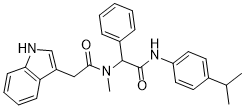
PG‑01 directly targets the cystic fibrosis transmembrane conductance regulator (CFTR) chloride channel, a cAMP‑dependent ion channel protein located on the apical membrane of various epithelial cells. Dysfunction of CFTR, mainly due to genetic mutations, is the root cause of cystic fibrosis. PG‑01 binds to the CFTR protein, corrects the gating defects of multiple mutants (including ΔF508, E193K, G970R, G551D, and G1349D), and effectively restores channel function. In addition, studies have shown that PG‑01 can partially correct the trafficking deficiency of hERG mutant proteins.
|
|---|---|
| 体外研究 (In Vitro) |
虽然PG01单独作用不能激活ΔF508-CFTR,但添加0.5和2 μM的福斯克林可显著诱导ΔF508-CFTR产生氯离子电流。100 nM的PG01可显著增强通道活性,并观察到大量通道开放。PG01激活G551D-CFTR的表观解离常数(Kd)为1 μM,其效力约为染料木素的100倍。在40 nM浓度下,PG01对G1349D-CFTR的激活效力显著增强。当细胞中表达G551D和G1349D-CFTR时,PG01可产生显著电流。该电流在未转染的细胞中不存在,且对CFTR抑制剂-172敏感[1]。PG-01对多种CFTR突变体均表现出很高的体外活性。对ΔF508突变体的Ka值为0.3 μM,对E193K的Kd值为0.22 μM,对G970R的Kd值为0.45 μM,对G551D的Kd值为1.94 μM。在电生理实验中,PG-01激活G551D-CFTR的表观Kd值约为1 μM,其效力比染料木素高约100倍。对G1349D-CFTR的激活效力更高,仅需40 nM。在100 nM浓度下,PG-01显著增强ΔF508-CFTR通道活性,并导致通道频繁开放。在福斯克林存在的情况下,PG-01显著增加ΔF508-CFTR的Cl⁻电流,而这些电流可被CFTR选择性抑制剂CFTRinh-172阻断。
|
| 体内研究 (In Vivo) |
对大鼠单次静脉注射PG01(5 mg/kg)后,连续测定其血浆药物浓度,以进行药代动力学分析。PG01的药代动力学特征(分布容积为4 L,半衰期分别小于5分钟和130分钟)符合二室模型。微粒体代谢和鼠药代动力学研究表明,PG01的代谢速度明显快于SF-03[1]。PG-01的体内药代动力学已在动物模型中进行了初步研究。在大鼠中,单次静脉注射 5 mg/kg 后,其药代动力学特征符合二室模型,消除半衰期分别为 <5 分钟和 130 分钟,表观分布容积约为 4 L。此外,微粒体代谢研究和大鼠药代动力学分析表明,PG-01 在体内的代谢速度明显快于参考化合物 SF-03。
|
| 酶活实验 |
体外评估PG-01对CFTR氯离子通道的活性通常采用荧光检测或膜片钳技术。在非细胞系统中,将纯化的CFTR蛋白或含有CFTR的膜囊泡重组到人工膜中,例如平面脂双层。标准实验方案包括:钳制脂双层两端的电压(通常为-60 mV至+60 mV)以记录跨膜电流;稳定后,将浴液与一系列不同浓度的PG-01孵育5-10分钟;监测并量化由此产生的电流幅度变化;以及计算PG-01对CFTR通道的亲和力常数(Ka或Kd)。
|
| 细胞实验 |
基于细胞的体外实验通常使用表达各种突变型CFTR构建体的哺乳动物细胞系进行,例如HEK-293、COS-7和Fisher大鼠甲状腺上皮细胞。典型的实验方案如下:将稳定或瞬时转染突变型CFTR的细胞接种于适用于电生理记录的培养板中,培养24-48小时。实验当天,采用全细胞膜片钳或荧光猝灭法评估氯离子通道功能。记录基线电流后,向细胞外液中加入递增浓度的PG-01(例如,0.01-10 μM),并加入福斯克林(0.5-2 μM)作为阳性对照。记录PG-01对氯离子电流的增强作用。为验证特异性,在实验结束时加入CFTR选择性抑制剂CFTRinh-172,以确认记录的电流来源于CFTR通道。所有实验均独立重复至少三次(每次实验n≥3),并对数据进行统计分析。
|
| 动物实验 |
PG-01的体内药代动力学研究通常在Sprague-Dawley大鼠中进行。典型的实验方案如下:将雄性SD大鼠(体重200-250 g)随机分组,并单次静脉注射PG-01(5 mg/kg)。在预定的时间点(例如,给药后0、5、10、20、30、60、120、180、240分钟和6小时)从颈静脉或尾静脉采集血样。立即离心分离血浆,并使用LC-MS/MS定量分析药物浓度。绘制血浆浓度-时间曲线,并使用非房室模型或双房模型计算关键药代动力学参数(t₁/₂、CL、Vd、AUC等)。
|
| 毒性/毒理 (Toxicokinetics/TK) |
公开的PG-01毒理学信息有限。根据安全数据(例如,苯甘氨酸-01的安全数据表),该化合物的急性毒性被归类为GHS第4类(口服),表明吞咽可能造成危害。在处理和储存过程中,建议避免吸入粉尘或蒸气,防止皮肤和眼睛接触,使用适当的个人防护装备(例如耐化学腐蚀手套和护目镜),并保持良好的通风。迄今为止,尚未发表任何关于PG-01的全面、经同行评审的毒理学报告,包括重复剂量毒性、致癌性或生殖/发育毒性方面的报告。
|
| 参考文献 |
|
| 分子式 |
C28H29N3O2
|
|---|---|
| 分子量 |
439.54876
|
| 精确质量 |
439.226
|
| CAS号 |
853138-65-5
|
| PubChem CID |
4695397
|
| 外观&性状 |
White to off-white solid powder
|
| 密度 |
1.217g/cm3
|
| 沸点 |
704.6ºC at 760 mmHg
|
| 闪点 |
379.9ºC
|
| 折射率 |
1.662
|
| LogP |
5.745
|
| tPSA |
65.2
|
| 氢键供体(HBD)数目 |
2
|
| 氢键受体(HBA)数目 |
2
|
| 可旋转键数目(RBC) |
7
|
| 重原子数目 |
33
|
| 分子复杂度/Complexity |
652
|
| 定义原子立体中心数目 |
0
|
| InChi Key |
PQAYCXMQTUEDRD-UHFFFAOYSA-N
|
| InChi Code |
InChI=1S/C28H29N3O2/c1-19(2)20-13-15-23(16-14-20)30-28(33)27(21-9-5-4-6-10-21)31(3)26(32)17-22-18-29-25-12-8-7-11-24(22)25/h4-16,18-19,27,29H,17H2,1-3H3,(H,30,33)
|
| 化学名 |
2-[[2-(1H-indol-3-yl)acetyl]-methylamino]-2-phenyl-N-(4-propan-2-ylphenyl)acetamide
|
| HS Tariff Code |
2934.99.9001
|
| 存储方式 |
Powder -20°C 3 years 4°C 2 years In solvent -80°C 6 months -20°C 1 month |
| 运输条件 |
Room temperature (This product is stable at ambient temperature for a few days during ordinary shipping and time spent in Customs)
|
| 溶解度 (体外实验) |
May dissolve in DMSO (in most cases), if not, try other solvents such as H2O, Ethanol, or DMF with a minute amount of products to avoid loss of samples
|
|---|---|
| 溶解度 (体内实验) |
注意: 如下所列的是一些常用的体内动物实验溶解配方,主要用于溶解难溶或不溶于水的产品(水溶度<1 mg/mL)。 建议您先取少量样品进行尝试,如该配方可行,再根据实验需求增加样品量。
注射用配方
注射用配方1: DMSO : Tween 80: Saline = 10 : 5 : 85 (如: 100 μL DMSO → 50 μL Tween 80 → 850 μL Saline)(IP/IV/IM/SC等) *生理盐水/Saline的制备:将0.9g氯化钠/NaCl溶解在100 mL ddH ₂ O中,得到澄清溶液。 注射用配方 2: DMSO : PEG300 :Tween 80 : Saline = 10 : 40 : 5 : 45 (如: 100 μL DMSO → 400 μL PEG300 → 50 μL Tween 80 → 450 μL Saline) 注射用配方 3: DMSO : Corn oil = 10 : 90 (如: 100 μL DMSO → 900 μL Corn oil) 示例: 以注射用配方 3 (DMSO : Corn oil = 10 : 90) 为例说明, 如果要配制 1 mL 2.5 mg/mL的工作液, 您可以取 100 μL 25 mg/mL 澄清的 DMSO 储备液,加到 900 μL Corn oil/玉米油中, 混合均匀。 View More
注射用配方 4: DMSO : 20% SBE-β-CD in Saline = 10 : 90 [如:100 μL DMSO → 900 μL (20% SBE-β-CD in Saline)] 口服配方
口服配方 1: 悬浮于0.5% CMC Na (羧甲基纤维素钠) 口服配方 2: 悬浮于0.5% Carboxymethyl cellulose (羧甲基纤维素) 示例: 以口服配方 1 (悬浮于 0.5% CMC Na)为例说明, 如果要配制 100 mL 2.5 mg/mL 的工作液, 您可以先取0.5g CMC Na并将其溶解于100mL ddH2O中,得到0.5%CMC-Na澄清溶液;然后将250 mg待测化合物加到100 mL前述 0.5%CMC Na溶液中,得到悬浮液。 View More
口服配方 3: 溶解于 PEG400 (聚乙二醇400) 请根据您的实验动物和给药方式选择适当的溶解配方/方案: 1、请先配制澄清的储备液(如:用DMSO配置50 或 100 mg/mL母液(储备液)); 2、取适量母液,按从左到右的顺序依次添加助溶剂,澄清后再加入下一助溶剂。以 下列配方为例说明 (注意此配方只用于说明,并不一定代表此产品 的实际溶解配方): 10% DMSO → 40% PEG300 → 5% Tween-80 → 45% ddH2O (或 saline); 假设最终工作液的体积为 1 mL, 浓度为5 mg/mL: 取 100 μL 50 mg/mL 的澄清 DMSO 储备液加到 400 μL PEG300 中,混合均匀/澄清;向上述体系中加入50 μL Tween-80,混合均匀/澄清;然后继续加入450 μL ddH2O (或 saline)定容至 1 mL; 3、溶剂前显示的百分比是指该溶剂在最终溶液/工作液中的体积所占比例; 4、 如产品在配制过程中出现沉淀/析出,可通过加热(≤50℃)或超声的方式助溶; 5、为保证最佳实验结果,工作液请现配现用! 6、如不确定怎么将母液配置成体内动物实验的工作液,请查看说明书或联系我们; 7、 以上所有助溶剂都可在 Invivochem.cn网站购买。 |
| 制备储备液 | 1 mg | 5 mg | 10 mg | |
| 1 mM | 2.2751 mL | 11.3753 mL | 22.7505 mL | |
| 5 mM | 0.4550 mL | 2.2751 mL | 4.5501 mL | |
| 10 mM | 0.2275 mL | 1.1375 mL | 2.2751 mL |
1、根据实验需要选择合适的溶剂配制储备液 (母液):对于大多数产品,InvivoChem推荐用DMSO配置母液 (比如:5、10、20mM或者10、20、50 mg/mL浓度),个别水溶性高的产品可直接溶于水。产品在DMSO 、水或其他溶剂中的具体溶解度详见上”溶解度 (体外)”部分;
2、如果您找不到您想要的溶解度信息,或者很难将产品溶解在溶液中,请联系我们;
3、建议使用下列计算器进行相关计算(摩尔浓度计算器、稀释计算器、分子量计算器、重组计算器等);
4、母液配好之后,将其分装到常规用量,并储存在-20°C或-80°C,尽量减少反复冻融循环。
计算结果:
工作液浓度: mg/mL;
DMSO母液配制方法: mg 药物溶于 μL DMSO溶液(母液浓度 mg/mL)。如该浓度超过该批次药物DMSO溶解度,请首先与我们联系。
体内配方配制方法:取 μL DMSO母液,加入 μL PEG300,混匀澄清后加入μL Tween 80,混匀澄清后加入 μL ddH2O,混匀澄清。
(1) 请确保溶液澄清之后,再加入下一种溶剂 (助溶剂) 。可利用涡旋、超声或水浴加热等方法助溶;
(2) 一定要按顺序加入溶剂 (助溶剂) 。
| NCT Number | Recruitment | interventions | Conditions | Sponsor/Collaborators | Start Date | Phases |
| NCT05539105 | RECRUITING | Procedure: Double tract reconstruction Procedure: Gastric conduit reconstruction Procedure: Other reconstructions |
Proximal Gastric Adenocarcinoma Reconstruction |
Shanghai Zhongshan Hospital | 2022-08-22 | |
| NCT01867073 | UNKNOWN STATUS | Other: Biomarker | Advanced Solid Tumors | National University Hospital, Singapore | 2011-05 | |
| NCT00941200 | UNKNOWN STATUS | Biological: Blood collection | Cancer | National University Hospital, Singapore | 2009-04 | |
| NCT06494956 | NOT YET RECRUITING | Procedure: Implant device | Parkinson Disease Dementia | Jiangsu CED Medtech Co., Ltd | 2024-07-01 | Not Applicable |
| NCT02205320 | UNKNOWN STATUS | Biological: DRL_PG Biological: Pegfilgrastim Form A Biological: Pegfilgrastim Form B |
Pharmacokinetics | Dr. Reddy's Laboratories Limited | 2014-02 | Phase 1 |
|
|
|
InvivoChem的所有产品仅用于作科学研究,不面向患者销售
Copyright 2020 InvivoChem LLC | All Rights Reserved 粤ICP备20063088号-1


 粤公网安备 44011102003439号
 463611831
